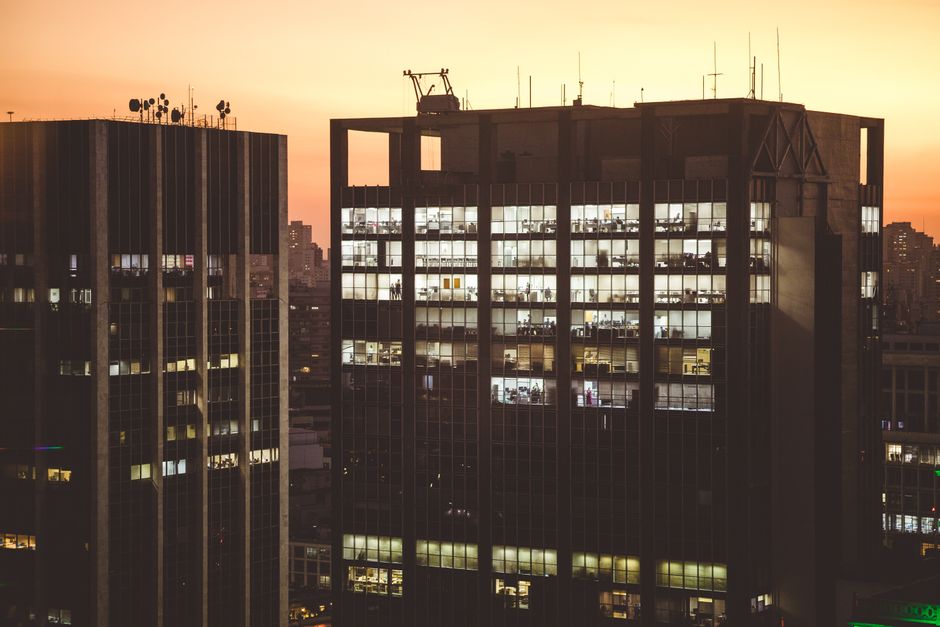
Munich's economy entered July 2026 under pressure from every direction at once. Energy costs are climbing again as fuel queues stretch across Russian cities, signalling a renewed crunch in European gas markets. France just recorded more than 2,000 excess deaths during a single heatwave peak, a number that stopped corporate risk managers across Bavaria cold. And the continuing war in Ukraine — with Crimea now at the strategic centre of the conflict — is keeping defence procurement budgets high and manufacturing nerves higher.
The convergence matters here because Munich is not a spectator. The city sits at the intersection of German export industry, European financial services and a property market that has spent three years adjusting to post-pandemic reality. Each of these global pressures has a direct transmission mechanism into local business conditions, and July is the month when second-half planning locks in.
Energy and Supply Chain: The Squeeze Tightens in Q3
Gas futures on the Title Transfer Facility hub rose roughly 12 percent in the fortnight ending July 1, driven partly by reports of domestic distribution failures inside Russia. For manufacturers in the Freiham industrial zone on Munich's western edge, that spike feeds directly into electricity procurement costs for the autumn quarter. Several Mittelstand firms in the precision engineering and automotive supplier sectors have been running hedged contracts due to expire in September, leaving them exposed to spot-market pricing at exactly the wrong moment.
The Industrie- und Handelskammer München und Oberbayern, the regional chamber of commerce based on Max-Joseph-Straße, published its mid-year business climate index on June 30. The headline figure dropped to 98.4 points, the lowest reading since February 2024, with energy costs cited as the primary drag by 61 percent of respondents. Export expectations — a reliable lead indicator for the region — fell for the third consecutive quarter.
Poland's prime minister publicly warned this week that Europe faces critical months ahead on security. That assessment has already shifted procurement decisions inside Munich-based defence and aerospace firms. Airbus's local operations in Ottobrunn, southeast of the city centre, are among those hiring again after a quiet 2025. But the broader labour market is tighter than the headlines suggest. Munich's unemployment rate stood at 3.9 percent in June according to the Agentur für Arbeit München, and skilled engineers are commanding premiums that smaller suppliers cannot easily match.
Property and Retail: Adaptation, Not Collapse
Office rents in the Maxvorstadt district — home to technology startups and consultancy firms operating near the universities — have held at around €28 to €31 per square metre monthly for Grade A space, according to figures from the city's property market monitor. That stability masks a divergence: vacancy rates in older stock on Leopoldstraße have edged above 7 percent, while newer, energy-efficient buildings are essentially full.
The summer heatwave reshaping France is also changing how Munich landlords and tenants negotiate fit-out responsibilities. Cooling infrastructure, which was a footnote in lease agreements four years ago, is now a deal-breaker clause for many corporates. One consequence is that refurbishment costs for older Schwabing and Bogenhausen office blocks have risen by an estimated 15 to 20 percent since 2024, squeezing returns for smaller property investors.
Retailers on Kaufingerstraße in the city centre reported a difficult June — footfall was down compared with the same month last year, partly because the heatwave kept shoppers home during peak afternoon hours. Food and beverage operators fared better, with outdoor terrace covers and cooling misting systems drawing crowds to the Viktualienmarkt area.
For Munich businesses planning the second half, the practical priorities are clear. Lock in energy contracts before September if hedges are expiring. Audit supply chains for Ukrainian and Russian raw material exposure — particularly in electronics and specialty metals. And if your lease is up for renewal, use the cooling-infrastructure gap as a negotiating lever. The next six months will reward preparation over optimism.