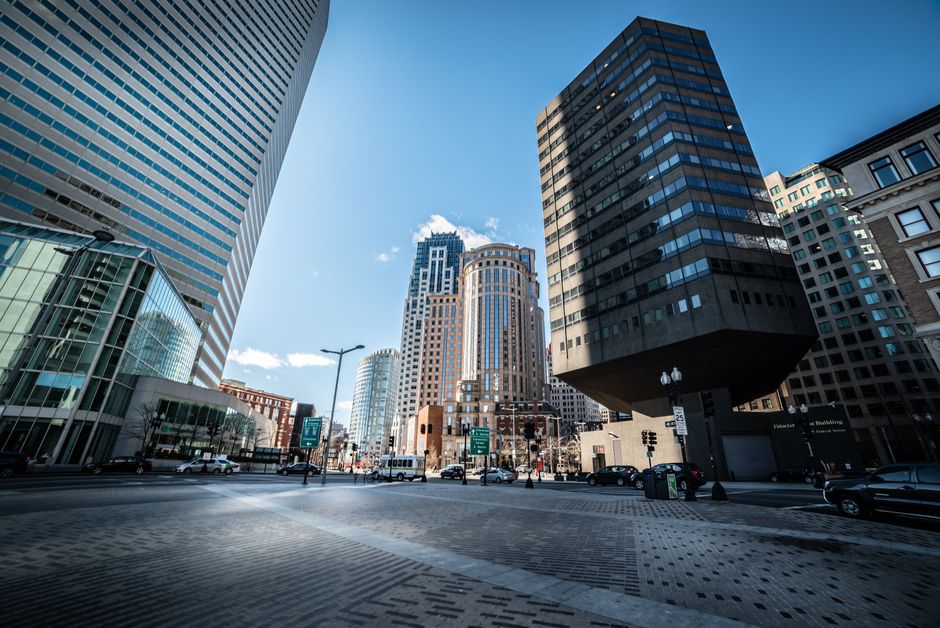
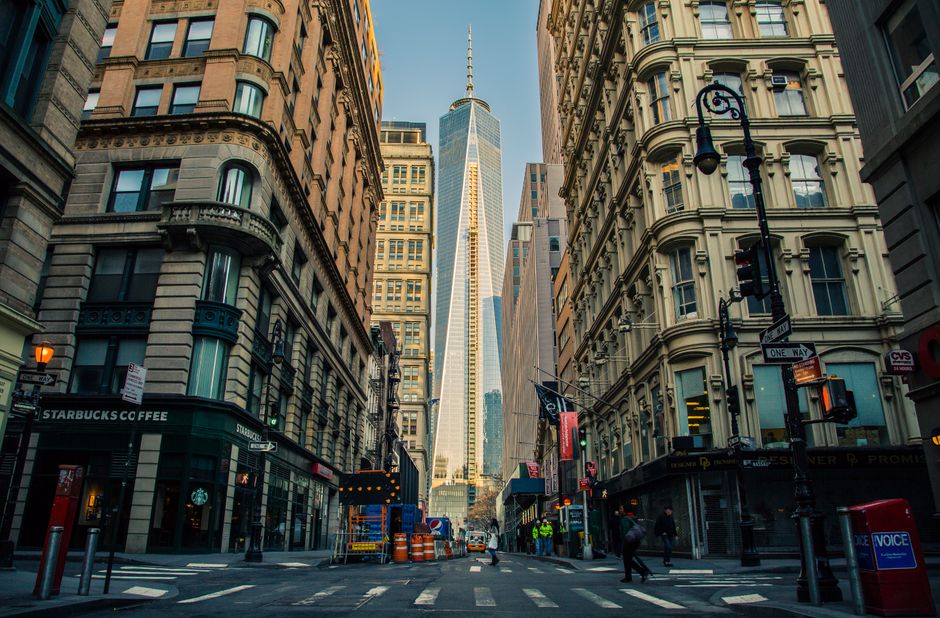
Munich's Stadtarchiv has confirmed it is reviewing thousands of digitised images held across its planning and heritage databases after internal audits flagged a growing number of duplicate and, in some cases, algorithmically altered photographs used in official urban development documents. The problem, long whispered about in civic technology circles, is now drawing public attention from city councillors and heritage professionals alike.
The timing matters. Munich is midway through its Stadtentwicklungsplan 2040, the long-term urban master plan that governs everything from new housing density in Schwabing to green corridors along the Isar. Planning submissions routinely include photographic documentation of existing building stock, neighbourhood character and street-level conditions. If those images are duplicated, outdated or manipulated, the decisions built on top of them become legally and practically vulnerable.
What Officials and Experts Are Warning
Councillors on the Stadtrat's Ausschuss für Stadtplanung und Bauordnung, the planning and building committee, raised the issue formally at their June session, after a submission for a mixed-use development near the Donnersbergerbrücke was found to contain the same street-view photograph used in a separate application for a site in Neuhausen, roughly two kilometres away. The photograph had been cropped and colour-corrected differently in each file, but metadata analysis identified it as an identical source image. No formal decision has been announced yet, but committee members have called for a city-wide audit protocol.
The Bayerisches Landesamt für Denkmalpflege, Bavaria's state heritage authority, based on Hofgraben in the Altstadt, has separately flagged concerns about digitised records submitted by private contractors during monument protection assessments. Heritage professionals working with the office have noted that stock image libraries and AI image synthesis tools are increasingly being used to pad documentation packages, particularly for smaller renovation projects where original photographic evidence may be sparse or costly to produce.
Urban data specialists at the Technische Universität München's Chair of Urban Development, based at the Arcisstraße campus, have been tracking the issue since at least early 2025. Their position, shared in presentations to city working groups, is that duplicate image replacement needs to become a mandatory verification step, not an optional quality check, before any planning document enters the official record. Without standardised hashing tools applied at the point of submission, the same flawed image can propagate through years of follow-on planning decisions.
The Scale of the Problem and What Comes Next
The Stadtarchiv holds more than 1.2 million digitised records, a figure cited in its 2024 annual report, though the institution has not stated publicly how many of those involve photographic attachments linked to live planning files. Industry professionals familiar with comparable exercises in Hamburg and Frankfurt suggest that duplicate image rates of between three and eight percent are typical in large municipal archives that lack automated deduplication systems.
The financial dimension is not trivial. Rectifying a single disputed planning file, re-commissioning photographs, re-submitting documentation, updating linked records, can cost a developer or the city between €2,000 and €8,000 per case depending on complexity, according to published fee schedules from Munich's Referat für Stadtplanung und Bauordnung. Multiply that across even a few hundred flagged files and the administrative bill climbs quickly.
City officials have indicated that a working group will report findings to the Stadtrat by autumn 2026, with a target of establishing a mandatory image verification protocol in time for planning submissions lodged under the 2027 budget cycle. Architects, developers and heritage consultants who regularly submit documentation to the city are being advised to audit their own image libraries now, before any new formal requirements take effect. Those working on projects in protected districts, including Maxvorstadt, the Gärtnerplatzviertel and the Glockenbachviertel, face the highest scrutiny, given the sensitivity of heritage documentation in those neighbourhoods. The message from officials is straightforward: clean your files before the city has to do it for you.