Politics
Munich Candidates Clash Over Community Services Funding in 2026 Race
Voters in Munich face a choice between competing visions for social housing, elder care, and neighbourhood support funding as the local election cycle heats up.
How we reported this
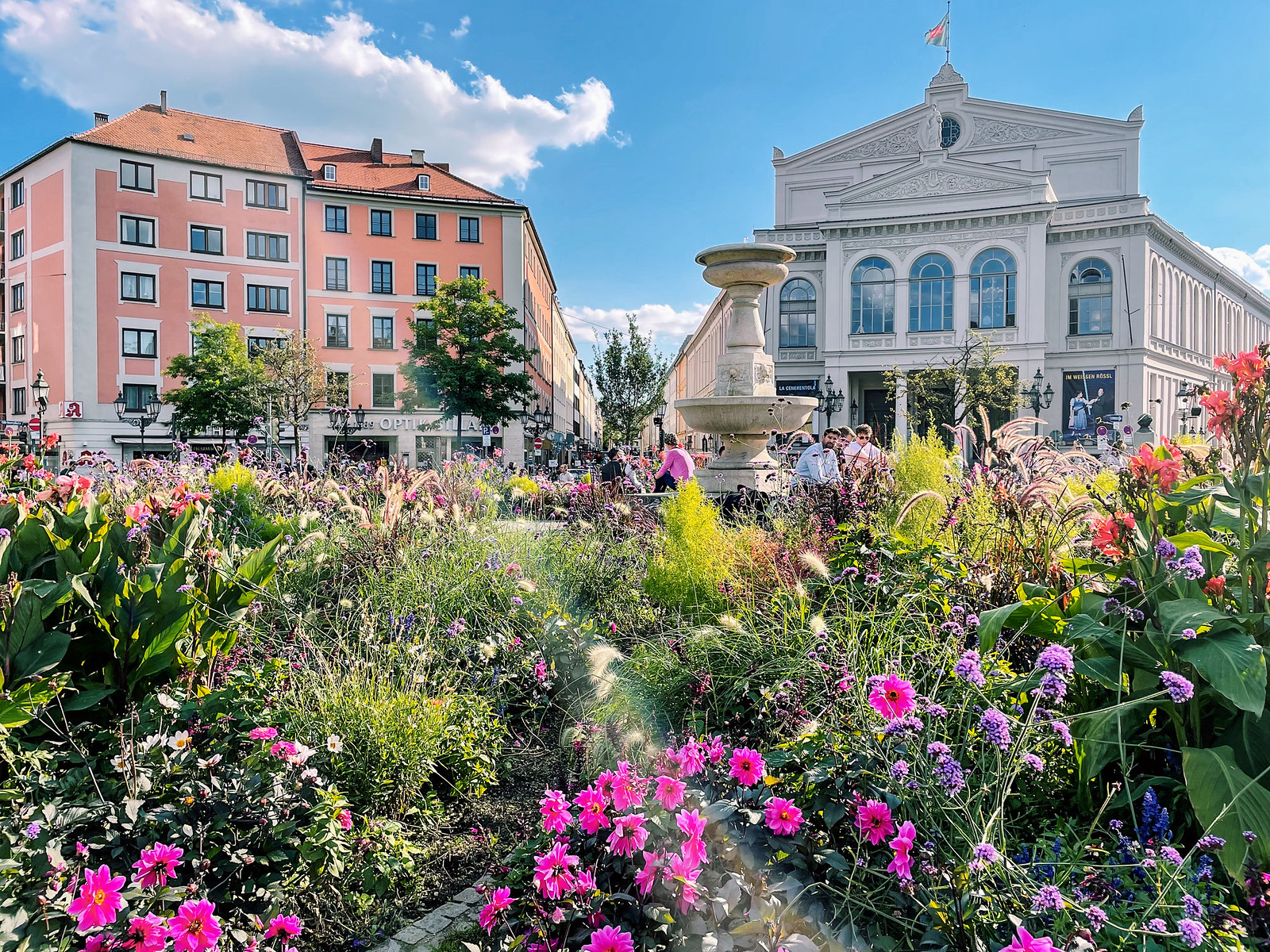
Community services and social infrastructure have emerged as the defining battleground of Munich's 2026 local election cycle, with candidates across the political spectrum staking out positions on housing affordability, care provision for the elderly, and funding for neighbourhood welfare programmes. The debate matters directly to hundreds of thousands of Munich residents who rely on city-administered or city-funded services every day, from subsidised childcare places in Schwabing to elder day-care centres in Ramersdorf-Perlach.
The timing is not accidental. Munich has faced sustained pressure on its social services budget as the city's population has grown steadily over the past decade, drawing in workers, students, and families from across Germany and the European Union. Demand for public housing managed through Münchner Wohnen, the city's housing company, has outpaced supply for several consecutive years. Waiting lists for subsidised care places have lengthened. Candidates are responding to a constituency that increasingly views social provision not as a political abstraction but as a practical daily concern.
What Candidates Are Proposing and What It Means for Residents
Across party lines, candidates are competing on credibility more than ideology when it comes to community services. SPD-aligned candidates on the city council have emphasised expanding the Sozialbürgerhäuser network, the one-stop social service offices distributed across Munich's districts, arguing that staffing levels have not kept pace with caseload growth. CSU-affiliated candidates have focused on administrative efficiency and faster processing times for benefit applications, pointing to delays that some recipient households have reported as creating financial hardship. The Greens have focused their platform largely on integrating climate-resilient public space improvements into socially deprived neighbourhoods, framing environmental upgrades as a social equity measure.
For Munich residents, the policy differences translate into very concrete questions. Will the city's Wohnen für München programme, which targets affordable housing construction across designated growth corridors, receive the capital budget top-up that council advocates have been requesting? Will the Pflegestützpunkte, the elder care coordination points operating in each of Munich's 25 districts, be adequately staffed to handle an ageing demographic? Will the city's Jobcenter München, which administers federal unemployment and integration benefits at the local level, receive supplementary city funding to reduce processing backlogs? These are the operational questions that election promises must eventually answer.
Evidence Base and the Budget Pressure Behind the Debate
Munich's city administration, in its most recent published budget framework, identified social spending as one of the largest and fastest-growing expenditure categories. The Sozialreferat, the municipal social affairs department, administers a portfolio that spans child and youth welfare, addiction counselling, homeless support, and integration services for new arrivals. Policy analysts at institutions including the Munich-based ifo Institut have documented in published research that German cities of Munich's size face a structural tension between constitutionally mandated welfare obligations and the revenue constraints of municipal finance law, a tension that local elections rarely resolve but always surface. Candidates who promise significant service expansion without identifying a funding mechanism are, analysts note, making commitments that depend heavily on state and federal transfer decisions outside city government control.
Community welfare organisations operating in Munich, including the local chapters of Caritas and Diakonie, have publicly called on all candidates to commit to multi-year funding agreements rather than annual budget negotiations, arguing that workforce planning in the care sector is impossible under short funding cycles. Their position, circulated in published advocacy materials ahead of candidate forums, is that continuity of funding matters as much as volume.
Between now and polling day, Munich residents can expect a series of candidate forums organised by district councils and civil society groups across the city's 25 Stadtbezirke. The Bezirksausschüsse, the district advisory committees, have each scheduled public sessions through July and into August where residents can question candidates directly on social policy commitments. The city's official electoral information portal, muenchen.de, lists registered candidates by district along with their submitted policy priorities. Residents with a direct stake in specific services, whether subsidised housing, elder care coordination, or youth welfare support, have a documented channel to press candidates for specifics before votes are cast.