Spring auctions in Munich’s prime neighbourhoods drew almost double the number of listings compared to the city’s winter trough, with clearance rates for April and May 2026 hovering around 72%, according to data from ImmobilienScout24. This significant bump underscores a familiar seasonal split that shapes buyer and seller behaviour—and this year, ongoing weather volatility is tweaking the usual calculus.
Seasonal Swings and Fresh Pressures
The difference between spring and winter auction volumes is no mere statistical oddity. It goes to the core of how sellers time their listings, and how local agencies like Engel & Völkers maximize market yield. With Europe enduring the hottest June on record—and the Isar meadows still recovering after April’s abrupt flooding—Munich’s property market is facing new urgency around springtime sales. The city’s estate agents have reported that the prospect of summer heatwaves, like the brutal 38°C spike last weekend, is motivating more owners to bring properties to auction in March, April, and May rather than risk unsold homes idling through the next weather event.
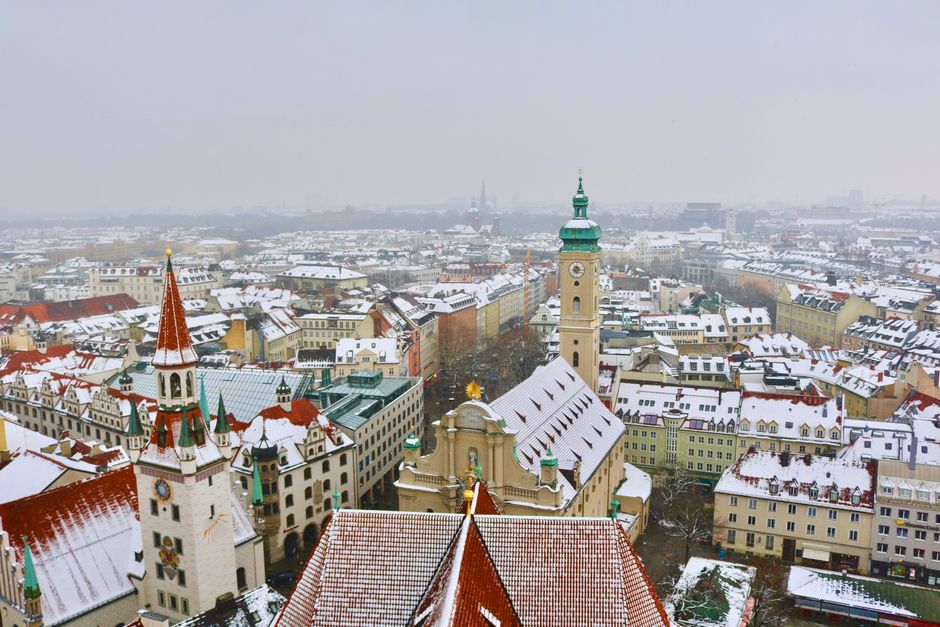
Winter, by contrast, has always been a quieter season for city auctions. High-profile venues like Bayerischer Hof’s grand ballroom host barely half the number of residential listings between December and February. Poor light—and colder weather deterring viewings along Prinzregentenstraße and into Schwabing—depresses buyer enthusiasm. This trend held true again from 2025 into early 2026, with auction volumes down by 54% compared to the most recent spring period, city records show.
Historic Data: A Growing Differential
Raw numbers paint a clear picture. In April 2026, citywide real estate auctions reportedly listed 428 homes, compared to just 211 over January and February combined—a difference that has widened over the past decade. In sought-after districts such as Alt-Bogenhausen and Nymphenburg, spring clearance rates consistently outpace winter by at least 12 percentage points, according to quarterly briefings from Münchner Grund. Median sold prices for spring sales around Rotkreuzplatz hit €9,350 per square metre this year, while winter averages lagged behind at €8,800. The city’s property analytics bureau attributes the growing gap not just to daylight and weather, but also to shifting mortgage conditions that favour springtime buyers locking in rates mid-year.
The volume jump is not strictly seasonal: larger pools of expat buyers and returning Munich natives, especially in April and May, are fuelling demand in upscale Lehel and Isarvorstadt. Local banks cite increased mortgage inquiries from this group during school holidays—a further reason auction venues like Palais an der Oper see waiting lists for spring slots, while their February calendars remain slow.
Looking ahead, agencies like Von Poll Immobilien anticipate that if extreme heat persists, Munich’s spring auctions could see even higher volumes in 2027, with sellers aiming to avoid disruptive weather later in the year. For buyers and sellers now plotting their move, the message is clear: spring remains the city’s busiest—and most competitive—property season. Previous winter bargains are getting harder to find, especially as Munich’s population continues to grow and overseas investment climbs. Prospective bidders eyeing listings along Ludwigstraße or near Olympiapark this autumn may need to recalibrate expectations—or step up their search for the next spring window.