Property
Lenders Mortgage Insurance: When It Makes Sense to Pay It in Munich
Rising rents and surging property prices mean some first home buyers in Munich are opting to pay lenders mortgage insurance to get a foothold faster.
4 min read
Property
Rising rents and surging property prices mean some first home buyers in Munich are opting to pay lenders mortgage insurance to get a foothold faster.
4 min read
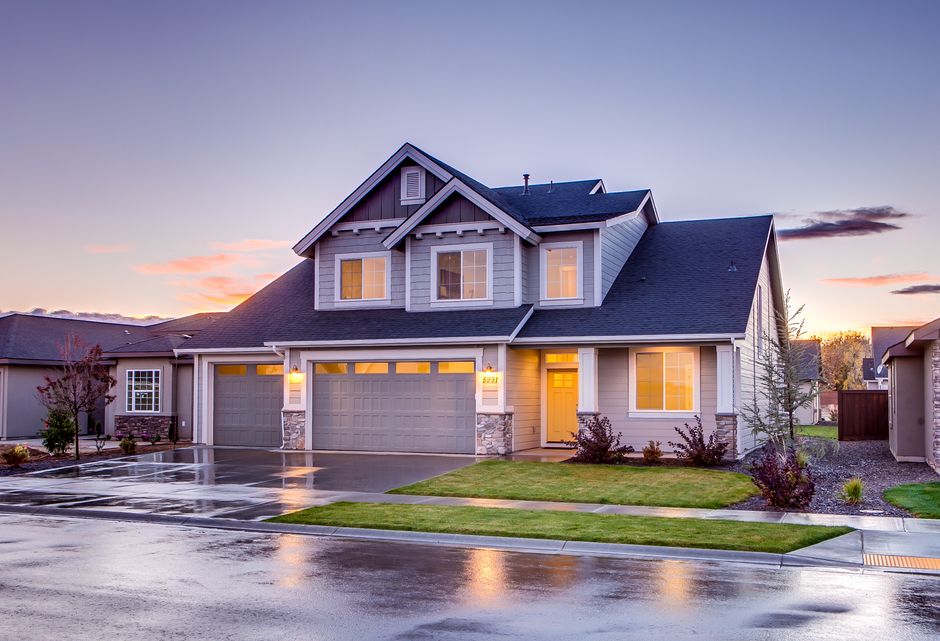
Munich’s surging home prices are forcing an increasing number of first-time buyers to reconsider old advice about waiting to save a full 20% deposit—opting instead to pay for lenders mortgage insurance (LMI) to secure a home before prices move further out of reach.
This shift comes as average listing prices in central neighborhoods, including Schwabing and Neuhausen, hit record highs in June. With median apartment prices citywide now hovering around €9,700 per square meter—up nearly 8% year-on-year according to the Munich Gutachterausschuss—scraping together a five- or six-figure deposit can mean years more renting while property values continue to climb. As the housing squeeze tightens, buyers aiming to settle in city center or sought-after quarters like the Glockenbachviertel face a stark choice: wait to save, or buy sooner and pay the insurance premium.
Lenders mortgage insurance, known locally as "Restschuldversicherung" or "Risikolebensversicherung" fees when rolled into mortgage agreements, acts as a safety net for banks if a borrower defaults. Traditionally, German lenders insist on a 20% down payment to avoid this cost, but several regional institutions, including Stadtsparkasse München and HypoVereinsbank, now accept smaller deposits—sometimes as low as 10%—in exchange for an added insurance premium.
For buyers like recent University of Munich graduates eager to purchase in Maxvorstadt or Haidhausen, LMI can reduce the upfront savings target by tens of thousands of euros. For a 60-square-meter flat near Sendlinger Tor listed at €10,000 per square meter, that’s the difference between a €120,000 down payment and just €60,000 before stamp duty and notary fees—potentially shaving years off the timeline to home ownership.
The numbers show why LMI is getting fresh attention. According to ImmoScout24 data, the median Munich apartment price in May 2026 stood at €9,730/m², putting the typical 70m² flat at roughly €681,000. Saving a 20% deposit means €136,200 upfront, before taxes and fees. With LMI, a buyer could get in for half that—but the insurance generally adds 1.5-2% to the overall loan balance. For a €550,000 mortgage, that’s an extra €8,250 to €11,000 spread across the loan term. In hot markets like Munich’s, where prices have increased in 13 of the last 16 quarters, buyers weigh that cost against years of paying high local rents: over €1,600 monthly for a small flat in Ludwigsvorstadt, according to the IVD Süd realtors’ association.
City officials point to the Bayerisches Wohnungsbauprogramm—a state-backed scheme providing low-interest loans for first-time buyers—as one possible way to mitigate insurance costs. But eligibility is tightly means-tested and competition is fierce; only 430 applications were successful citywide in 2025. That leaves buyers facing tough trade-offs. For those with secure jobs and solid credit, paying LMI may sometimes make more economic sense than being priced out or watching rents erode savings.
Experts say first-time buyers considering LMI should calculate carefully. Look at how fast property prices in your target district are rising, and weigh the immediate insurance fees against likely rent and potential gains in property value. Top banks in Munich, notably Münchner Bank and Commerzbank branches on Sonnenstrasse and Leopoldstrasse, offer online calculators to estimate monthly costs with different deposit levels. Buyers should also factor in transaction taxes (Grunderwerbsteuer is 3.5% in Bavaria), notary fees, and potential government grants—especially for families, who can still apply for the Baukindergeld bonus until its planned phase-out at year’s end.
With the apartment drought showing no sign of easing—just 11,700 new flats were completed in the metropolitan area in 2025, per the City’s housing report—paying LMI may be the only practical way onto the Munich property ladder for many. The key, say advisors, is to balance today’s premiums with the real risk of being permanently locked out if prices climb further. Timing matters; so do the numbers.
Property
Property
Property
Property
About this article
Published by The Daily Munich
Spread the word
Daily brief
Free, in your inbox before 7am. Weekdays.
The Daily Network — local news across Australia