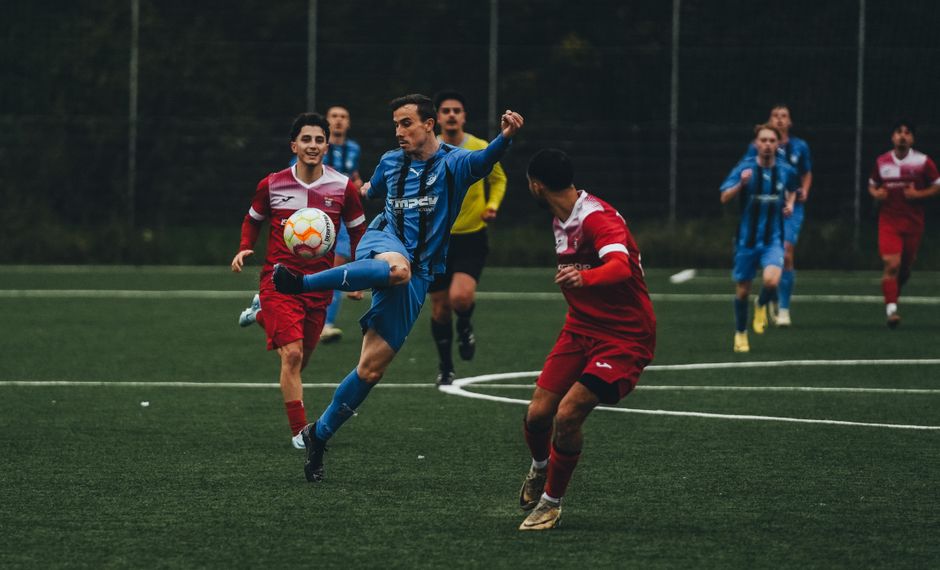
Australia's sporting heartbeat took a bruising punch on Friday when the Socceroos went out of the 2026 World Cup on penalties against Egypt in Kansas City — but the grief on social media masked a quieter, longer-running crisis closer to home. The facilities, training grounds and community venues that feed the NRL, AFL and cricket pathways are straining under the weight of record participation numbers and decades of deferred maintenance.
The timing matters. With the Socceroos campaign over, broadcast attention and discretionary sports dollars will swing hard toward the NRL's second half, the AFL finals race and the Australian women's cricket team's home summer schedule beginning in November. All three codes will compete for the same limited pool of upgraded venue hours, government grants and corporate naming-rights money — in a country where state and federal infrastructure budgets are already stretched thin.
Grounds for Concern
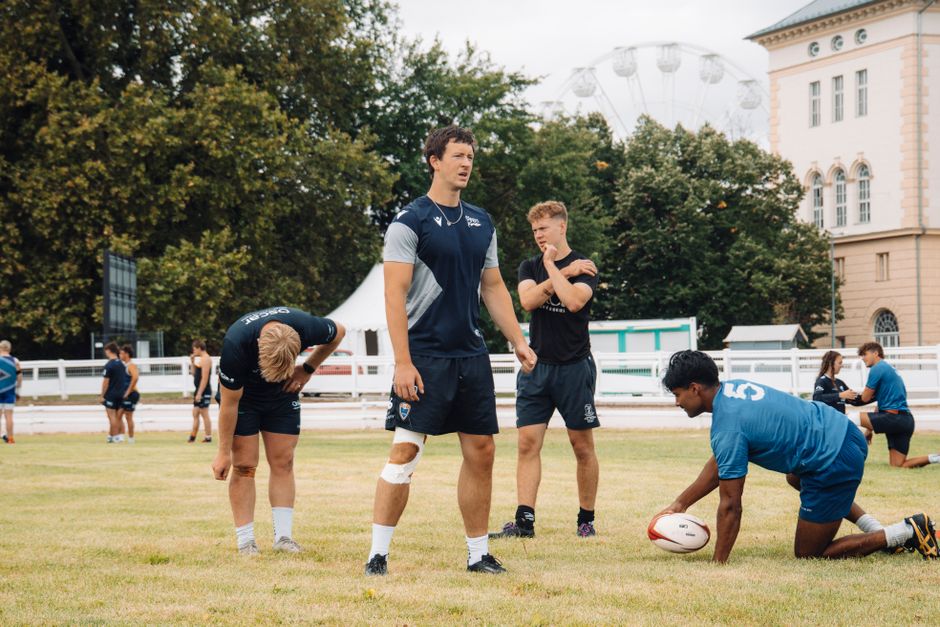
The NRL's situation is the most acute at the community level. Across western and south-western corridors, junior clubs train on fields that lack basic covered drainage, meaning a single heavy rain event wipes out a full week of sessions. The NSWRL reported in its 2025 participation audit that 34 per cent of affiliated junior clubs had flagged inadequate training facilities as their top barrier to retaining players aged 12 to 17. The figure has barely moved in three years.
At the elite end, Accor Stadium at Homebush — still the centrepiece of rugby league's biggest nights — completed a $19 million partial roof remediation in March 2026, but the venue's eastern grandstand upgrades remain unfunded past the planning stage. Stadium Australia Operations has confirmed the next major works phase is not scheduled before 2028 at earliest, which puts the venue's long-term hosting credentials under quiet pressure from rival cities watching every tender cycle.
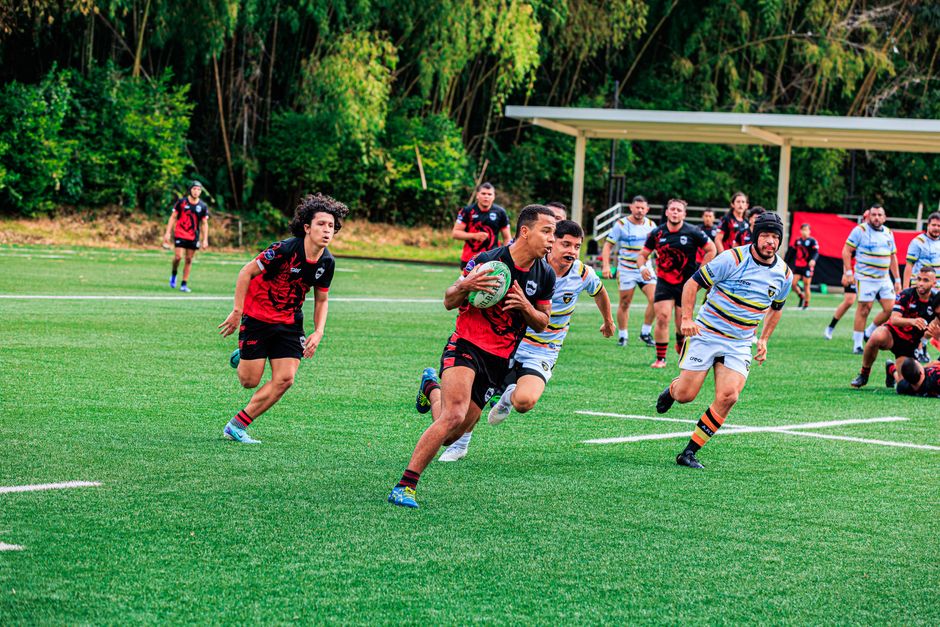
AFL's footprint in New South Wales leans heavily on GIANTS Stadium at Sydney Olympic Park and a network of suburban ovals from Blacktown to Randwick. Blacktown International Sportspark, which doubles as a development hub for GWS Giants pathway programs, received a $4.2 million federal government grant in the 2025-26 Budget to resurface two of its main playing surfaces — money that won't be acquitted until the October 2026 quarter. Until then, junior rep squads share shortened run-on areas with local rugby and football clubs under a time-share arrangement that coaches have described, diplomatically, as far from ideal.
Cricket's Drop-In Problem
Cricket Australia's infrastructure challenge is different in character but no less pressing. The SCG Trust completed installation of a fourth drop-in pitch module at the Sydney Cricket Ground in February 2026, extending the ground's capacity to host multi-format events back-to-back without a full surface recovery period. The cost was $2.8 million across the two-year project. It gives Cricket NSW genuine flexibility — the women's Big Bash and Test summer schedules can now overlap at the venue without the turf curator losing sleep — but it does nothing for the 600-plus community cricket grounds that Cricket NSW classifies as Grade 3 or below.
The state government's Active Transport and Recreation Infrastructure fund has $180 million allocated over four years from July 2024, but sport competes against cycling paths, aquatic centres and skate parks for every dollar. Community cricket clubs in areas like Penrith, Parramatta and the Hills District have been waiting 18 months or longer for resurfacing approvals that should, by the fund's own guidelines, take 90 days to process.
The NRL finals begin in September, the AFL finals in the same month, and the women's cricket home summer kicks off in November. Administrators from all three codes have submissions currently before the NSW Department of Sport and Recreation. The practical reality for clubs and fans is straightforward: check venue schedules early, because shared surfaces and rolling maintenance windows mean fixture changes happen with little notice. For anyone running a junior club, the application window for the 2026-27 Active Recreation grants round opens August 1 — and last year, 40 per cent of eligible applications missed it simply because clubs did not know it existed.