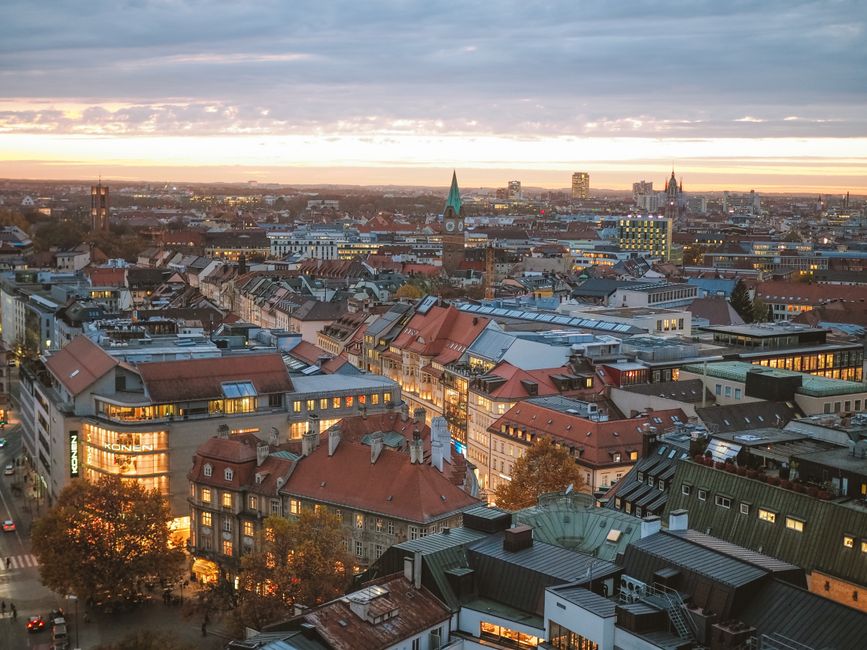
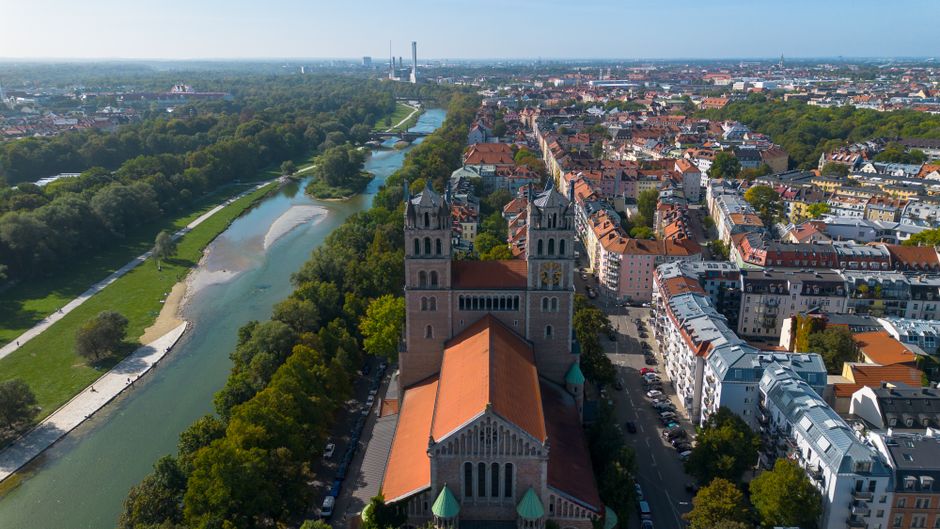
Munich has a mental health access problem — not a shortage of services, but a shortage of awareness. Across the city's 25 districts, dozens of free or subsidised counselling options exist through the public health system, charities, and church-run social services, yet demand for private therapists remains so high that waiting times routinely stretch past six months. The gap between what's available and what people actually use is costing residents sleep, relationships, and productivity.
Summer is when that gap widens. July and August bring their own particular pressures: disrupted routines, financial strain from holidays, and the kind of ambient heat that frays tempers and disturbs sleep. Add a broader European backdrop of economic anxiety, and Munich's social workers and counselling coordinators report a reliable uptick in first-time callers every July. The city's statutory mental health framework, anchored by the Sozialpsychiatrischer Dienst (SpDi) network, was built precisely for this kind of recurring demand — but many residents still don't know it exists.
What the City Actually Offers, and Where to Find It
The SpDi operates out of offices across all major Munich districts. The central coordination point is the Beratungsstelle für psychische Gesundheit run by Caritas München at Mariahilfplatz 2 in Au-Haidhausen. Walk-in hours run Tuesday and Thursday mornings from 9am to 12pm, no appointment necessary, no health insurance card required at first contact. A second major access point sits in Schwabing: the Psychosoziale Beratungsstelle operated by the Diakonie München, reachable on Leopoldstraße, which handles around 1,400 individual counselling cases per year and offers initial consultations at no cost.
For younger adults — roughly 18 to 35 — the city-funded Jugend- und Familienberatung München runs centres in Bogenhausen and Neuperlach that include one-on-one psychological support, group stress management workshops, and peer-support programmes. These sessions are free regardless of income or insurance status. The Neuperlach branch, on Karl-Marx-Ring, typically has shorter waiting times than downtown alternatives and operates evening slots on Wednesdays, making it realistic for anyone working full-time.
For acute crises, the Münchner Telefonseelsorge operates 24 hours a day, 365 days a year, on two freephone numbers: 0800 111 0 111 and 0800 111 0 222. Both lines are staffed by trained volunteers supervised by licensed psychologists. Call volume spikes on Sunday evenings — coordination data from comparable German cities suggests weeknight calls between 9pm and midnight carry the longest wait times, while early morning slots before 7am connect almost immediately.
Getting Past the Front Door: Practical Steps
Germany's insurance bureaucracy puts people off, but the SpDi centres explicitly do not require a Krankenkassenkarte for a first appointment. What they do ask for: patience with German-language intake forms. The Caritas centre at Mariahilfplatz has Russian- and Arabic-speaking counsellors available on specific days — call 089 2137-6600 to check current schedules. The Diakonie Schwabing office can arrange English-language sessions with advance notice of at least one week.
For anything below crisis level — persistent low mood, work stress, sleep disruption — GPs at Munich's district health centres (Gesundheitszentren) can issue a referral for up to 25 sessions of statutory psychotherapy covered entirely by public insurance (gesetzliche Krankenversicherung). The referral form is called a Konsiliarbericht. Getting one takes a single ten-minute GP appointment. That referral then unlocks access to the Kassenärztliche Vereinigung Bayern therapist search portal, which filters by postcode, language, and specialism — and which, as of July 2026, lists 318 Munich-area therapists currently accepting GKV patients.
The bottom line is straightforward: free and low-cost mental health support exists across Munich's neighbourhoods right now. The friction is informational, not structural. If you're struggling, the fastest single step is calling 089 2137-6600 during business hours or dialling 0800 111 0 111 any time of day or night. The Daily Munich recommends consulting a local medical professional for personal health advice tailored to your situation.