Business
Munich Businesses Navigate Global Shocks: Property, Jobs and Trade Under Pressure
The city’s economy feels the turbulence of international politics and climate, from rising rents to evolving job markets.
3 min read
Updated 1 h ago
Business
The city’s economy feels the turbulence of international politics and climate, from rising rents to evolving job markets.
3 min read
Updated 1 h ago
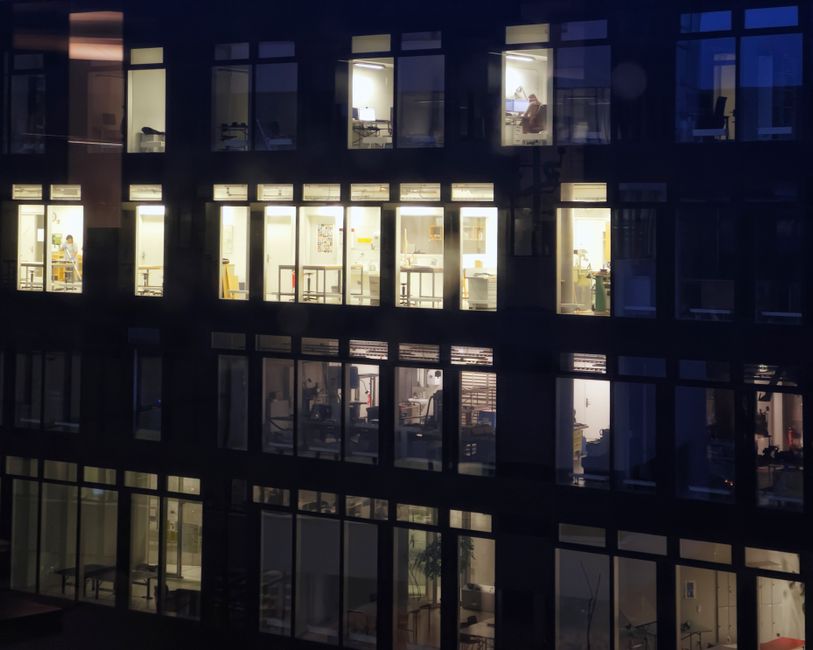
Munich’s business sector is facing a fresh round of global headwinds this July as international instability and extreme weather drive local property costs higher and squeeze corporate hiring across the city’s tech and industrial corridors.
This matters now as German exporters face fallout from shifting trade alliances and sanctions, just as extreme summer heat disrupts supply chains continent-wide. With the US restricting more worker movement and China escalating regional trade tensions, many Munich-based companies are scrambling to secure skilled staff and absorb higher property costs for both homes and commercial offices.
In Maxvorstadt, where biotech hub BioM AG and digital consultancy Celonis employ more than 2,500 people, job postings have dipped 12% since May, according to local recruiter Ziegler Partner. Sophie-Scholl-Platz saw two major office builds go on hold after contractors reported rising steel and energy costs. Meanwhile, the city’s start-up quarter around Sendlinger Tor reports rent surges of up to €61 per square metre—up from €54 at the start of 2025. “International staff relocations from India and the U.S. have slowed to a trickle,” said an HR manager at a leading fintech on Theresienstraße, citing both visa bottlenecks and the surging euro as factors.
The challenges are reinforced by fresh data from IHK München, showing that export orders from North America dropped 19% year-on-year for June. Simultaneously, property data from Colliers Deutschland pegs average city-centre residential rents at a new high of €22.10/m2—up 6% in twelve months. The Munich Chamber of Commerce has updated its forecast, predicting local GDP growth of just 1.0% for 2026 if transatlantic employment restrictions and European heatwaves persist through the autumn.
Local business leaders are bracing for more volatility. The Gewerbehof München at Landsberger Straße 110 is hosting a summit next week where SMEs can get advice on supply chain resilience and international HR strategies. Those seeking work are encouraged to track the city’s new Skills4Future program, launched by the Department of Labor at Konrad-Adenauer-Straße; it focuses on rapid upskilling in AI and green tech. For those on the property hunt, housing groups suggest targeting less central districts such as Neuperlach or Aubing, where price rises have been slightly lower this quarter. With both domestic and international uncertainty set to continue, Munich’s businesses and workers alike will need to adapt nimbly to the city’s new global realities.
Business
Business
Business
Business
About this article
Published by The Daily Munich
Spread the word
Daily brief
Free, in your inbox before 7am. Weekdays.
The Daily Network — local news across Australia