Property
Where Downsizers Are Moving and Why: Munich’s Suburbs in the Spotlight
Retirees and empty nesters flock to Trudering and Pasing for smarter living, as apartment prices in central Munich push seasoned owners to suburbia.
3 min read
Property
Retirees and empty nesters flock to Trudering and Pasing for smarter living, as apartment prices in central Munich push seasoned owners to suburbia.
3 min read
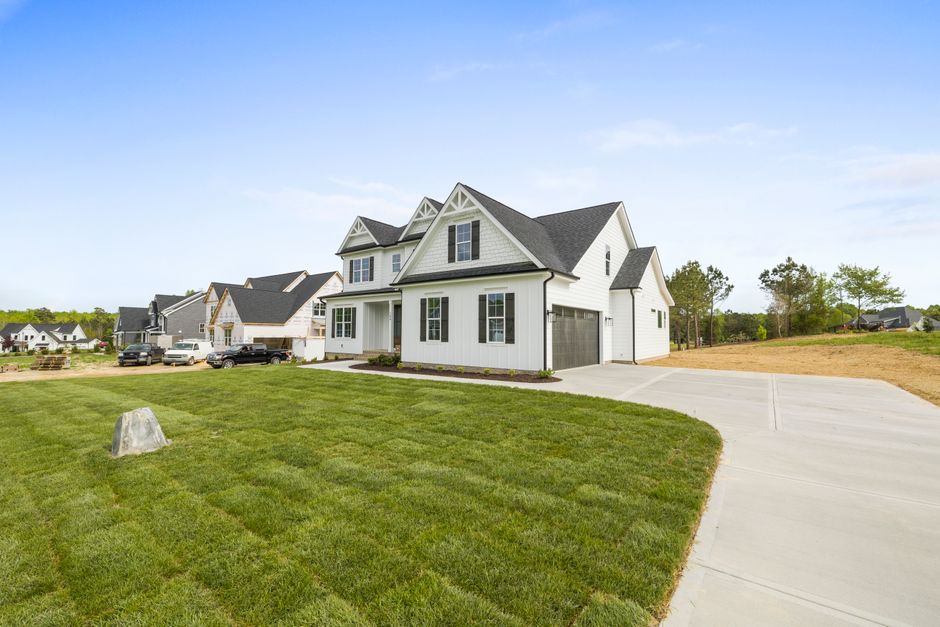
Munich’s property market is seeing a clear migration trend: downsizers—mainly retirees and empty nesters—are leaving traditional high-price inner-city neighborhoods for the quieter, greener suburbs. On Blutenburgstraße this spring, an agent for Augsburger Immobilien reported three longtime Schwabing couples selling century-old flats within weeks, next stop: Trudering, east beyond the Mittlerer Ring, and Pasing, the thriving western hub.
The trend isn’t limited to pensioners eyeing better value. Surge pricing in Maxvorstadt and Altstadt-Lehel has led many older homeowners to cash out while the market peaks. The city’s ongoing housing squeeze, coupled with record summer temperatures—temperature records for June hit 36.1°C at the Deutscher Wetterdienst’s Neuhofen station—have underscored suburban appeal: more private gardens, lifts instead of endless staircases, and improved local services, from medical clinics to organic bakeries.
Trudering and Pasing have emerged as favorites, with new builds like Quartiersentwicklung Prinz-Eugen-Park offering energy-efficient units with on-site physiotherapy and car-free courtyards. Local brokers say inquiries from over-60s jumped by 28% in the past year. Reinhardplatz in Pasing now hosts weekly meet-ups organized by Nachbarschaftshilfe Pasing, a nonprofit connecting new arrivals to established residents for shopping, gardening and navigating the local tram system.
Apartment prices in central Munich averaged €12,200 per square meter in Q2 2026, according to HypoVereinsbank, while modern condominiums in Trudering typically list at €9,500. In Pasing’s newer developments, a 90-square-meter two-bedroom with balcony now changes hands at around €840,000, compared to €1.12 million or more for similar standards just inside the Altstadtring. The result: sellers in districts like Haidhausen find they can pocket six-figure profits—enough to fund travel, pay down mortgages, or help adult children with deposits.
Further evidence comes from the city’s 2025 population report, which showed Pasing’s share of residents over 60 rise by 6.9% in just two years. Garden associations in both suburbs are experiencing record application numbers. And, according to the Munich Seniors’ Office, local gym memberships among over-55s shot up 17% last year, thanks in part to new developments catering to wellness-focused lifestyles.
To support the influx, the Munich Stadtverwaltung has expanded the number of senior counseling clinics in suburban districts—five new sites since January 2026, including a recently opened center on Truderinger Straße.
Market watchers predict this direction will hold as long as suburban developments blend accessibility with amenities. For those considering such a move, experts recommend making contact with local property management companies early—waiting lists for the most attractive complexes, particularly energy-efficient new builds near Pasing Arcaden or close to Trudering’s Michaelibad, now run to nine months or more.
For downsizers, the advice is clear: plan ahead, visit neighborhoods at different times, and check access to both transport (S-Bahn and U-Bahn connectivity) and community services. As rising temperatures and urban stress push more seasoned Munichers toward the green belt, the city’s suburban hotspots are writing a new chapter in property demand—and for many, a more manageable way of living.
Property
Property
Property
Property
About this article
Published by The Daily Munich
Spread the word
Daily brief
Free, in your inbox before 7am. Weekdays.
The Daily Network — local news across Australia