Technology
Munich's AI Revolution: Tech Firms Transform City Shopping by 2026
Autonomous delivery, cashless payments and AI services are reshaping how Münchners work, shop and move through their neighborhoods.
How we reported this
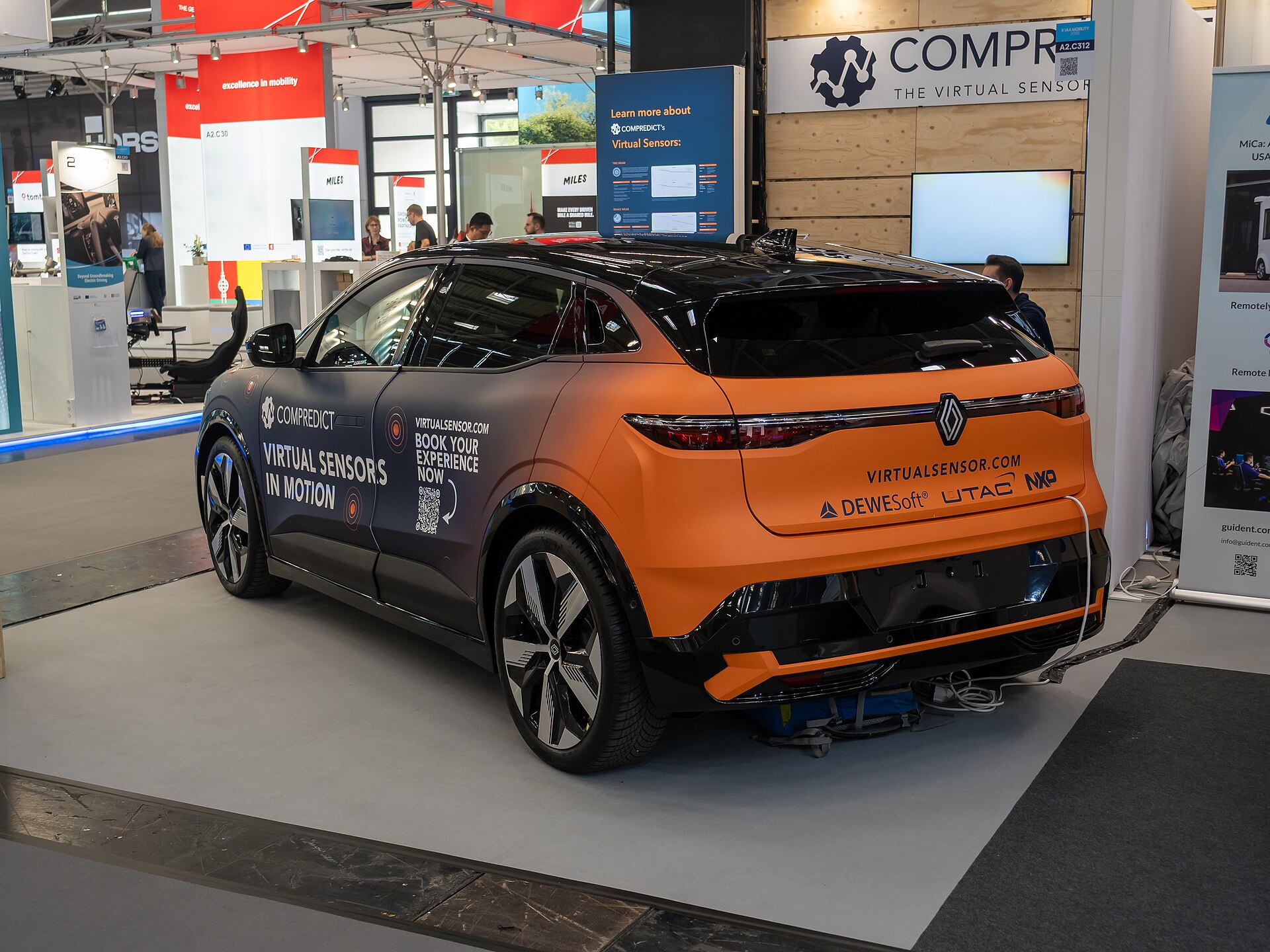
Munich's tech sector crossed a threshold this summer that residents are starting to feel on the street. As of July 2026, the city has more than 4,800 registered technology startups, up 18 percent from the same point last year, and the effects are no longer confined to glass-fronted offices in the Maxvorstadt or pitch decks in Schwabing co-working spaces. They are showing up in grocery deliveries, hospital waiting rooms and U-Bahn turnstiles.
The timing matters. Europe's heatwave has pushed Munich temperatures past 38 degrees Celsius in the past fortnight, and the strain on public services has accelerated demand for contactless, at-home everything. Hospitals at the Klinikum Schwabing have been fielding overflow patients, and that pressure has given telehealth platforms operating out of Munich's Werksviertel innovation district a rare window to prove their worth at scale.
AI in the Neighbourhood
The clearest example is Ada Health, the Munich-based symptom-checker app that passed the 15 million active European user mark in May 2026. During the heatwave's peak week, the platform logged a 34 percent spike in consultations from Munich postal codes alone. Users in Neuhausen-Nymphenburg and Bogenhausen were triaging heat exhaustion symptoms at midnight rather than queuing at emergency rooms. The app's AI now routes the most urgent cases directly to on-call GP networks, cutting the city's average out-of-hours response time by roughly 22 minutes, according to figures published by the Bavarian State Ministry of Health in June.
Meanwhile, on Leopoldstraße and along the Isar bike paths, residents are navigating a quiet infrastructure shift. Jelbi, the multimodal mobility platform integrated into the MVG public transport app, added 1,200 electric cargo bikes to its Munich fleet in April. Monthly passes cost €29, cheaper than a single MVV monthly zone ticket for many inner-city routes, and uptake in Haidhausen and Giesing has been strong enough that the city transport authority is weighing dedicated cargo-bike lanes on Rosenheimer Straße by autumn.
Cashless and Contactless, Whether You Like It or Not
The shift is not without friction. The Viktualienmarkt, Munich's famous open-air food market established in 1807, completed its cashless payment upgrade across all 140 stalls in March 2026. The move drew protests from older residents and some vendors who argued that tourists and low-income shoppers were being marginalised. The city council's digital affairs committee is now reviewing a €2.1 million inclusion fund to install payment-assistance kiosks at the market and at three Pasing district markets by the end of Q3.
Autonomous delivery is the next flashpoint. Starship Technologies has been running a robotics pilot on streets around the TU München campus in Maxvorstadt since February, with 40 six-wheeled bots making grocery runs from a partnered REWE store on Gabelsbergerstraße. The trial has logged 11,000 deliveries and a 96 percent on-time rate. City planners are watching closely, but pedestrian advocates at the VCD Bayern transport club have raised objections about pavement access, particularly for wheelchair users and parents with prams on narrower side streets off Arcisstraße.
The numbers suggest Munich residents are broadly adapting rather than resisting. A June survey by the Munich-based market research firm GfK found that 61 percent of city residents aged 18 to 65 used at least three digitally delivered services, transport, health or retail, in a single week during the June heatwave peak, compared with 41 percent in the equivalent week of 2024.
What comes next is partly a policy question. The city's Digital Munich 2030 strategy, launched by the Referat für Digitales in early 2025, has earmarked €45 million for smart infrastructure through 2027. Residents who want to follow the rollout, or flag concerns about exclusion, can attend the next public forum at the Gasteig HP8 cultural centre in Haidhausen on 17 July. Registration opened this week on the muenchen.de portal. Bringing a concrete complaint about a specific street or service tends to get faster results than a general objection.