Wellness
Munich Wellness Costs Are Climbing — But So Is Local Demand
As Munich's cost of living pushes deeper into European top-five territory, residents are finding creative ways to keep their health routines intact.
4 min read
Updated 7 h ago
Wellness
As Munich's cost of living pushes deeper into European top-five territory, residents are finding creative ways to keep their health routines intact.
4 min read
Updated 7 h ago

A single yoga class in Schwabing now costs between €18 and €28, depending on the studio. A monthly gym membership at a mid-range facility in Maxvorstadt runs roughly €65 to €90. And a consultation with a private nutritionist near the Englischer Garten can set you back €120 for the first session alone. Munich ranked fourth most expensive city in Europe for everyday living costs in the 2026 Mercer Cost of Living Survey, published in June — and the wellness sector is feeling that pressure as acutely as rent.
This matters right now because the city's wellness culture is at a crossroads. Globally, spending on personal health — from hormone therapy to sleep coaching to breathwork — has surged since 2023, driven partly by a broader post-pandemic reckoning with burnout and chronic stress. Munich, with its historically active outdoor culture and above-average household incomes, has been a natural landing zone for premium wellness formats. But inflation running at 3.1 percent year-on-year through Q1 2026 is forcing both providers and consumers to recalibrate.
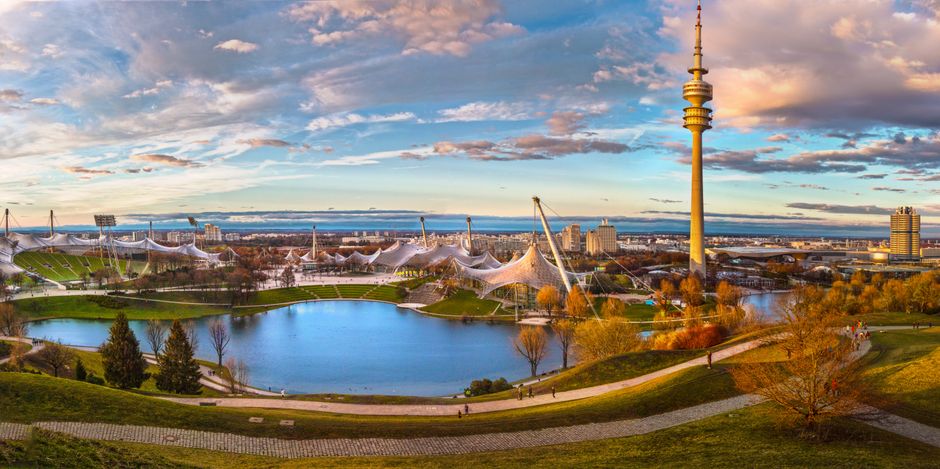
The Isar riverbanks and the Olympiapark remain essentially free, and footfall at both has measurably increased since 2024 as residents substitute paid fitness classes with outdoor running groups and open-water swimming. The city's public Stadtwerke München cycling infrastructure — expanded by 47 kilometres of new lanes since 2023 — is logging record usage this summer. These aren't just lifestyle choices; they're economic ones.
Meanwhile, studios that positioned themselves at the premium end are reporting mixed results. Joyn Fitness, which operates locations in the Glockenbachviertel and near Ostbahnhof, pivoted in early 2026 to tiered membership pricing — a model already common in Amsterdam and Stockholm. The Lanserhof clinic at München Mitte, which offers medical wellness programmes starting at €3,500 per week, says its bookings remain strong, driven largely by clients flying in from Zurich, Dubai and London. The bifurcation is sharp: ultra-premium holds, mid-market wobbles.
Neighbourhood health food costs tell a similar story. A weekly organic basket from the Viktualienmarkt runs around €90 for two people — up roughly 14 percent since January 2024. That compares to approximately €70 for an equivalent basket in Vienna, according to data compiled by the European Consumer Organisation (BEUC) in March 2026. For many Munich households, particularly those renting in Neuhausen or Haidhausen where rents averaged €22 per square metre in May 2026, something has to give.
A growing number of Munich residents are turning to the city's Volkshochschule — the adult education network — which offers certified yoga, meditation and stress-management courses at subsidised rates, typically €8 to €15 per session. Enrolment in wellness-adjacent VHS courses rose 22 percent between autumn 2024 and spring 2026, according to the organisation's annual report. That uptick mirrors a pattern visible in Hamburg and Berlin, where public health education infrastructure has absorbed demand that private studios can no longer capture affordably.
Corporate wellness budgets are also shifting the equation. Several large employers headquartered in Munich — in the automotive and insurance sectors concentrated around Arabellapark and the northern business district — have expanded their employee health subsidies in 2026 specifically to offset rising private costs. This isn't altruism; it reflects retention pressures in a tight labour market.
For residents trying to keep a wellness routine sustainable through the rest of 2026, the calculus increasingly favours mixing public and private options deliberately rather than committing to one gym or one studio. The Olympiapark's outdoor fitness zones are free and well-maintained. The Isar is clean enough for swimming from May through September. The VHS winter term opens for registration in August. Anyone feeling the financial squeeze would do well to map those resources before reaching for a monthly contract. And for anything involving hormones, sleep disorders or chronic fatigue — issues generating considerable conversation across European wellness circles right now — a conversation with a Hausarzt or specialist remains the essential first step before any programme or supplement.
This article was compiled by AI and screened before publishing. See our editorial standards.
About this article
Published by The Daily Munich
Spread the word
Daily brief
Free, in your inbox before 7am. Weekdays.
The Daily Network — local news across Australia