wellness
Munich Wellness Experts Reveal 5 Science-Backed Stress Reduction Methods
With burnout rates climbing across Germany's major cities, Munich's wellness community is pushing back, and the science backs them up.
How we reported this
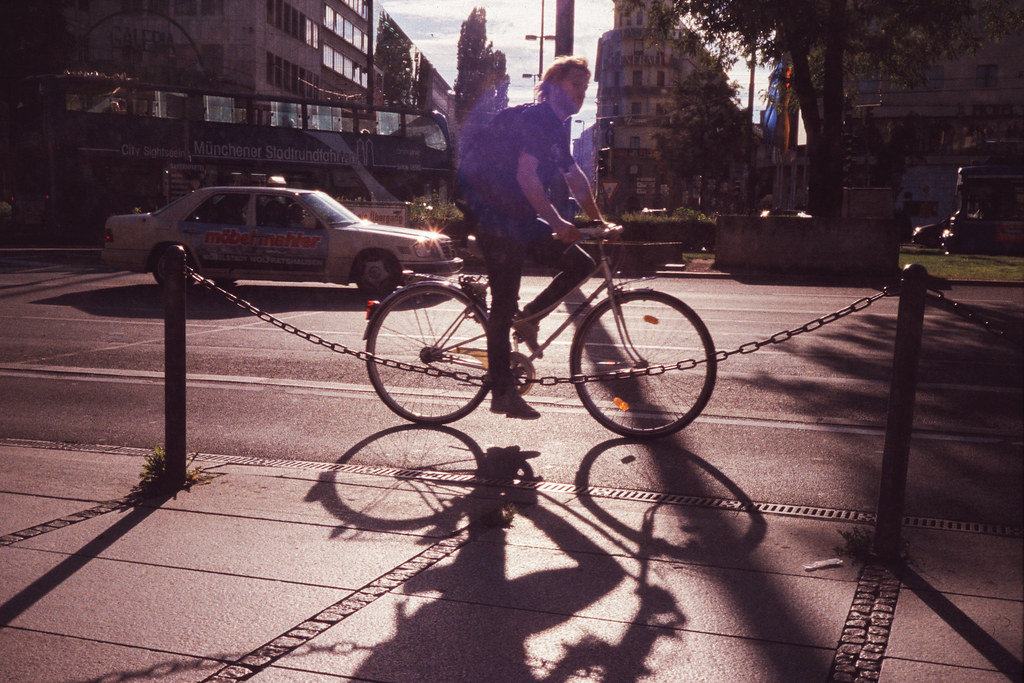
More than 60 percent of German employees reported feeling regularly overwhelmed at work in 2025, according to a Techniker Krankenkasse survey published last autumn, the highest figure in the health insurer's annual stress report in a decade. In Munich, where the average monthly rent for a two-room flat in Schwabing or Maxvorstadt now exceeds €1,800, financial pressure compounds the occupational kind. The result is a city of high achievers quietly running on empty.
Stress is not a personal failure. It is a physiological response, and it responds to specific, repeatable interventions. What follows are five techniques with genuine peer-reviewed support behind them, not wellness influencer promises.
Start With the Body, Not the Mind
The most accessible intervention costs nothing. Physiological sighing, a double inhale through the nose followed by a long exhale through the mouth, activates the parasympathetic nervous system within seconds. A 2023 Stanford University study published in Cell Reports Medicine found that just five minutes of this breathing pattern daily produced measurable reductions in self-reported anxiety over a month. You can do it on the U-Bahn between Marienplatz and Sendlinger Tor.
Cold water exposure is the second tool, and Munich has infrastructure for it. The Eisbach, the man-made river channel that cuts through the Englischer Garten, runs at roughly 8°C year-round. Regular cold immersion, even face-only dips of 30 seconds, triggers a norepinephrine release that research from the University of Tübingen links to improved mood regulation and reduced cortisol. The Naturfreunde München association organises guided outdoor swimming events through the summer season, with the next scheduled session on 19 July at the Flaucher river meadows near Thalkirchen.
Third: structured movement, not gym punishment. The distinction matters. A meta-analysis published in JAMA Psychiatry in 2024 confirmed that 150 minutes of moderate aerobic activity per week reduces symptoms of clinical anxiety by up to 48 percent compared with sedentary controls. Munich's 1,700 kilometres of cycling paths make that achievable without a membership fee. The Isar cycle route from Deutsches Museum south to Grünwald covers 14 kilometres of largely car-free river path and takes about 55 minutes at a relaxed pace.
The Cognitive and Social Layer
Fourth is mindfulness-based cognitive therapy, or MBCT, a structured programme originally developed at the University of Oxford that combines meditation with cognitive reframing. Unlike generic meditation apps, MBCT was designed specifically for stress and depressive relapse prevention. The Münchner Volkshochschule, based on Gasteig HP8 in Haidhausen, runs eight-week MBCT courses throughout the year; the next intake begins 14 September, priced at €185 for the full programme. The format, two hours weekly with daily home practice, fits most working schedules.
The fifth technique is social prescribing, a term that sounds bureaucratic but describes something straightforward: intentional, regular contact with other people in a structured context. Loneliness elevates cortisol as reliably as a missed deadline does. A 2025 paper in Nature Mental Health found that people with at least three consistent social contacts outside work had 34 percent lower rates of chronic stress symptoms. Munich's extensive Verein culture, the city has over 3,400 registered clubs covering everything from choral singing to beekeeping, is one of the most underused mental health resources in Bavaria.
The Münchner Stadtbibliothek at Gasteig also runs a free programme called Lesekreis Plus, pairing book groups with relaxation workshops on the last Thursday of each month, specifically designed for people who describe themselves as isolated or overstretched.
None of these five approaches replaces professional support. Anyone experiencing persistent low mood, sleep disruption or panic symptoms should speak with a Hausarzt or contact the Telefonseelsorge Bavaria helpline, reachable at 0800 111 0 111 around the clock at no cost. But for the everyday grind, the commute, the inbox, the rent anxiety, the evidence is clear: small, consistent interventions compound. Munich already has the infrastructure. The question is whether residents use it.