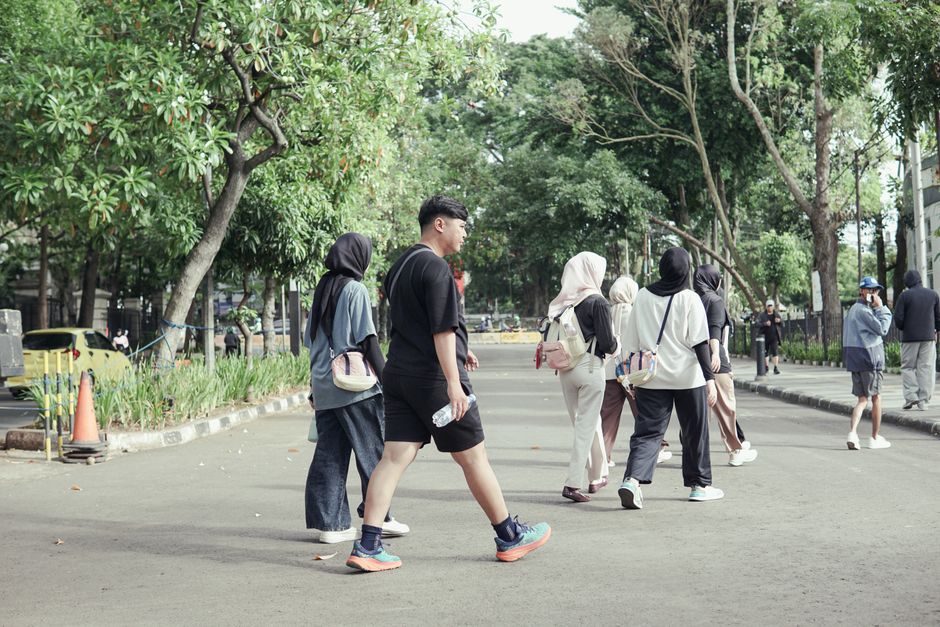
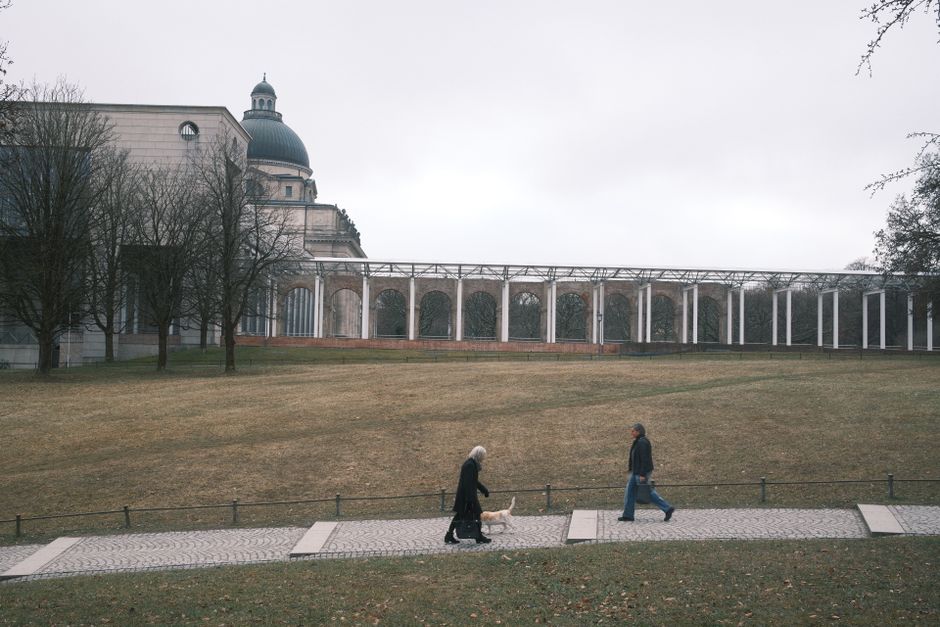
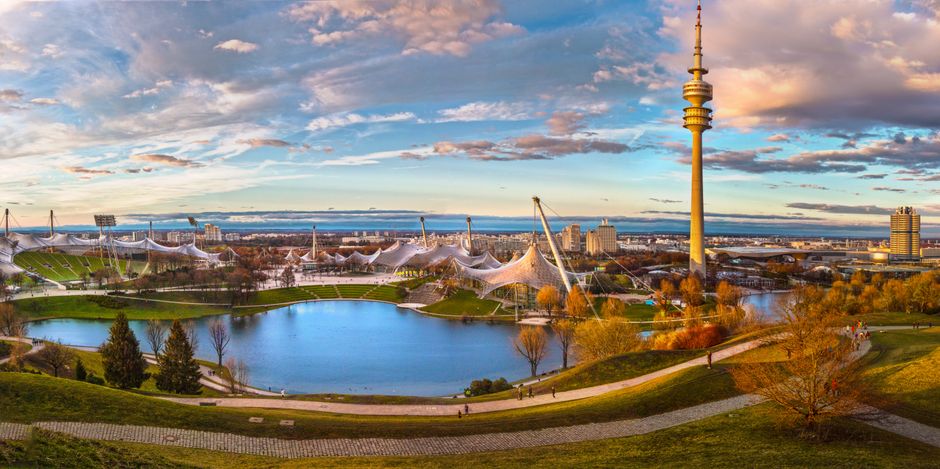
More than 60 neighbourhood walking groups have registered with Munich's city sports federation, the Stadtverband München für Sport, since January 2025 — a 34 percent jump on the same period two years earlier. The trend is not accidental. As gym memberships sit at an average of €45 per month and group fitness classes at boutique studios in Schwabing regularly top €25 per session, walking has reasserted itself as the city's most democratic form of exercise.
The timing matters for reasons beyond personal finance. Research published in the British Journal of Sports Medicine in late 2024 found that group walking interventions reduced participants' resting blood pressure by an average of 3.7 mmHg and self-reported anxiety scores by 14 percent over 12 weeks. In a city where the AOK Bayern health insurer reported a record 19.3 sick days per employee across Munich workplaces in 2025, those numbers are hard to dismiss. Walking groups, it turns out, are not a consolation prize for people who can't afford spinning classes. They are their own category of intervention.
Where Munich Already Walks — and Where the Gaps Are
The English Garden remains the obvious anchor point. On any Tuesday or Thursday morning before 9 a.m., informal clusters of walkers move through the Hirschau section near the Kleinhesseloher See, a habit that predates any organised program. The Munich Volkshochschule — the city's adult education institution on Einsteinstraße — runs a structured Lauf- und Walkingtreff series that costs €6 per session and covers routes through Nymphenburg, Schwabing-West and along the Isar between the Maximiliansbrücke and the Deutsches Museum. That program fills its 20-person cap within 48 hours of each new semester's registration opening.
The gap, though, is hyperlocal. Maxvorstadt, Giesing and Neuhausen-Nymphenburg all have dense residential populations but comparatively few organised neighbourhood-level walking groups for people who want to meet at the end of their own street rather than commute to a trailhead. That is exactly where a self-organised group can do something an institution cannot.
The Practical Steps to Getting One Off the Ground
Start small and specific. Pick one fixed day — Wednesday mornings at 7:30 a.m. work well because they fall before the mid-week commuter rush peaks on the U-Bahn — and one fixed starting point. A park entrance, a U-Bahn exit or a well-known café work better than an obscure residential address. The Giesinger Bahnhof square in Obergiesing, for example, gives members arriving by public transport and those walking from surrounding streets a single, unambiguous meeting point.
Announce the group through the Nebenan.de neighbourhood platform, which has active communities across Munich's 25 districts, and through physical notices at local Reformhäuser and sports shops. A4 flyers cost roughly €12 for 50 copies at the Copy Quick branches on Leopoldstraße or near Sendlinger Tor. Keep the first route under 5 kilometres and under 45 minutes. Ambition is the enemy of attendance in week one.
Pace is a recurring point of conflict in new groups. Agree in advance on a conversational pace — roughly 5 to 6 kilometres per hour — and hold to it. Nothing fractures a nascent group faster than the first fast walker who disappears around a corner on the Isar towpath. Designate one person per session as a sweep, staying at the back, at least for the first six weeks.
Liability is a question that surfaces immediately and tends to paralyse organisers. The Bayerischer Landes-Sportverband offers affiliate membership for informal groups from €18 per year, which provides basic third-party liability cover and gives the group a formal structure if it wants one. It is not legally required to walk with friends. It is, however, useful once a group grows past 10 regular members.
The city itself is an asset that most organisers underuse. Munich's Grünflächen — the network of green corridors connecting the Englischer Garten to the Flaucher and beyond — means that a 6-kilometre loop rarely requires crossing a major road more than twice. Route planning through the Komoot app, set to the walking profile with an elevation cap of 30 metres, generates options most locals have never considered. A group in Bogenhausen, for instance, can reach the banks of the Eisbach in under 20 minutes on foot without touching a single main arterial road. That is the kind of detail that makes people show up a second time. Consult a local GP or Sportmediziner if you have cardiovascular or orthopaedic concerns before setting your weekly pace targets — the Sportmedizinisches Institut at TU München on Georg-Brauchle-Ring offers initial assessments from €55.