Wellness
Why Munich Is Sleeping Worse — And What You Can Do About It
From late-night screen glow to summer heat trapped in old apartment buildings, a cluster of forces is quietly wrecking the city's rest.
4 min read
Updated 3 h ago
Wellness
From late-night screen glow to summer heat trapped in old apartment buildings, a cluster of forces is quietly wrecking the city's rest.
4 min read
Updated 3 h ago
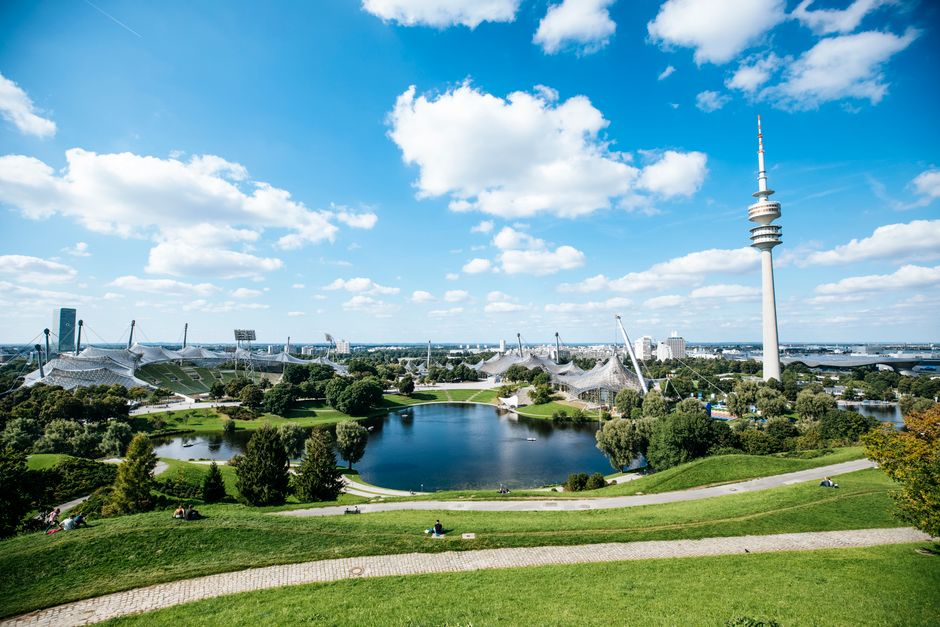
Germans are sleeping roughly 35 minutes less per night than they did a decade ago, according to data published by the Robert Koch Institut in its 2025 health monitoring report. In a city as physically active as Munich — weekend cyclists pack the Isar riverbanks by 7 a.m., the English Garden's Chinesischer Turm beer garden empties out at midnight — the irony is sharp. The city sweats, stretches and cycles its way through the day, then stares at a phone until 1 a.m.
The timing matters. Germany is in the middle of a heat policy reckoning. Munich's average July overnight temperature has climbed 1.8 degrees Celsius since 2000, according to the Deutscher Wetterdienst's regional station at Munich-Stadt. Altbau apartments in Schwabing and Maxvorstadt, built before air conditioning was standard, hold heat like ceramic pots. By 11 p.m., indoor temperatures in top-floor flats along the Leopoldstraße corridor regularly sit at 27 degrees or above. Sleep physicians at the Ludwig-Maximilians-Universität München note that the body needs core temperature to drop roughly one degree Celsius to initiate proper sleep onset — a threshold that becomes almost impossible to hit in an unventilated Dachgeschoss in early July.
Heat is one factor, but it is not the only one. Research published in the journal Sleep Medicine Reviews in March 2026 identified three dominant disruptors in urban European populations: light exposure after 9 p.m., irregular meal timing, and alcohol consumption within three hours of bed. Munich scores poorly on all three by its own cultural logic. The city's dining culture pushes main meals late — a table at Tantris in Schwabing or even a neighbourhood Wirtshaus in Haidhausen rarely fills before 7:30 p.m. A glass of Weißbier with that meal feels innocent; clinically, alcohol reduces REM sleep by up to 24 percent in the first sleep cycle, fragmenting the restorative phases the body needs most.
Hormone disruption is drawing fresh attention too. Melatonin, the pineal gland's signal to the body that darkness has arrived, is suppressed by blue-spectrum light from screens. The average Munich adult now spends four hours and twelve minutes per day on a smartphone, per a 2025 Bitkom survey of German digital habits. That figure does not count laptop or television exposure. The practical result: the brain receives a darkness signal roughly ninety minutes later than it would in a screen-free environment, pushing natural sleep onset past midnight even for people who genuinely want to be in bed by ten.
The response from local practitioners has been pragmatic rather than preachy. The Schön Klinik München Harlaching runs a dedicated sleep disorders outpatient programme, accepting statutory insurance (gesetzliche Krankenversicherung) referrals, with current waiting times of approximately six to eight weeks as of June 2026. For people who want something less clinical, the Lanserhof at Arabellapark — the upscale medical spa in Bogenhausen — offers a five-day sleep reset programme starting at €3,200, incorporating chronobiology assessments and personalised light-exposure protocols.
At the community level, the Münchner Volkshochschule has been running an eight-week course called Besser Schlafen (Better Sleep) since autumn 2022, priced at €89 per participant. It combines sleep hygiene education with basic cognitive behavioural techniques adapted from CBT-I, the therapy now recommended over sleep medication by the Deutsche Gesellschaft für Schlafforschung. The autumn 2026 cohort opens for registration on 15 September.
Simpler interventions hold up under scrutiny too. Keeping bedroom temperature at or below 19 degrees Celsius — achievable in Munich flats with blackout curtains shut from midday and windows cracked only in the cooler early-morning hours — measurably improves sleep efficiency. Cutting caffeine after 2 p.m. eliminates roughly half its sedative-blocking effect by midnight, given a six-hour half-life. A consistent wake time, even on weekends, anchors the circadian rhythm more effectively than any supplement. These are not glamorous prescriptions. They work anyway. For anything beyond basic sleep hygiene, a conversation with a Hausarzt is the logical first step — a referral to a sleep specialist costs nothing beyond the quarterly Praxisgebühr, and the Harlaching programme will still be there if you decide to splurge.
About this article
Published by The Daily Munich
Spread the word
Daily brief
Free, in your inbox before 7am. Weekdays.
The Daily Network — local news across Australia