wellness
Munich's Best Farmers Markets and What to Buy Right Now
July is prime season for stone fruit, courgettes and fresh herbs, and the city's Wochenmärkte are where smart shoppers are already filling their bags.
How we reported this
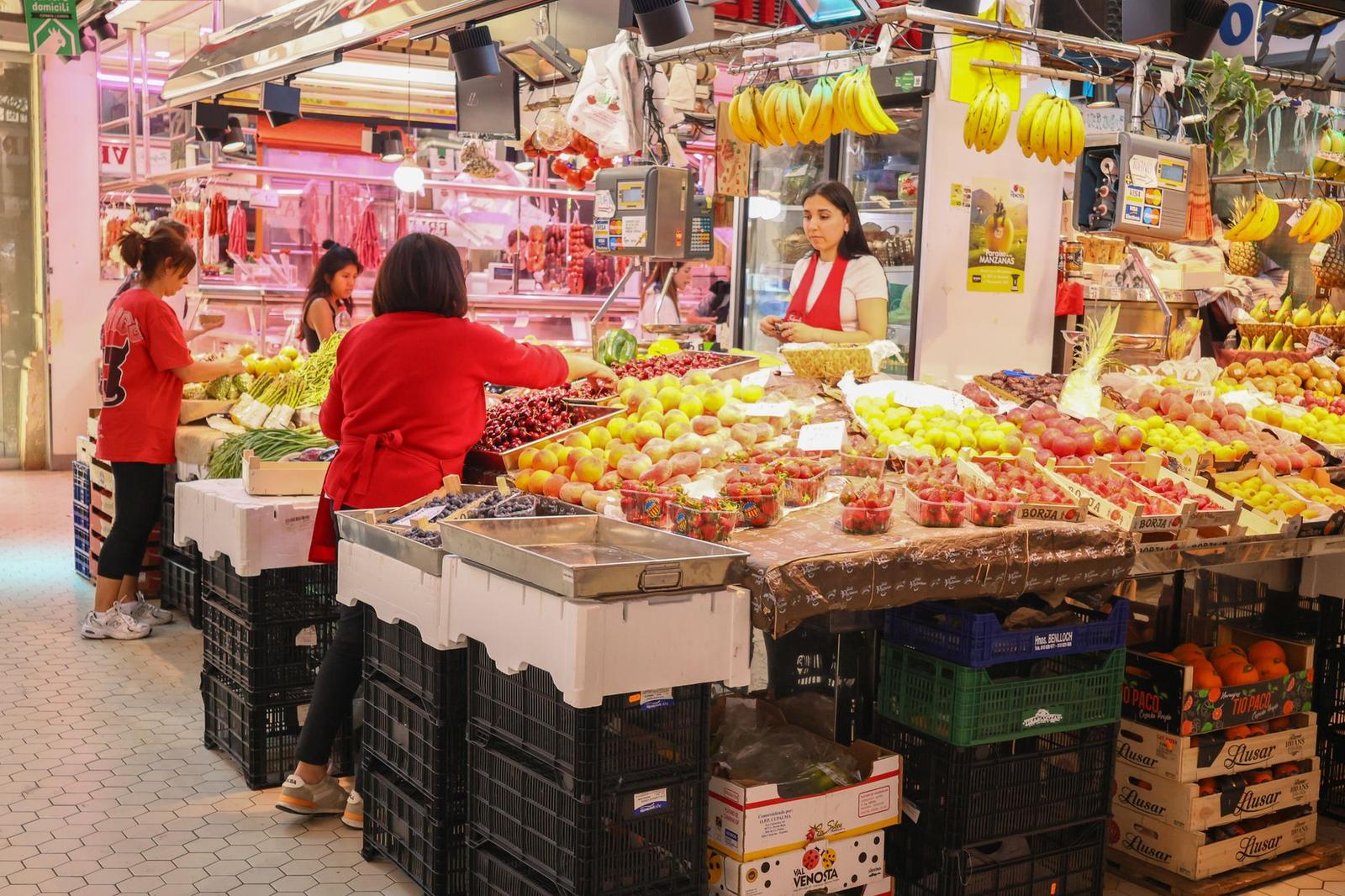
Munich's outdoor markets hit their seasonal peak this week. Across the city's 27 officially registered Wochenmärkte, stalls are groaning with Bavarian cherries, early courgettes, bunched basil and the first sun-ripened tomatoes of the year, produce that won't be this good again until next summer. For anyone serious about eating well without spending serious money, the next six to eight weeks represent the best window of the year.
The timing matters for reasons beyond flavour. With food prices across Germany rising 2.3 percent year-on-year as of May 2026, according to Destatis, direct-from-farmer purchasing at a Wochenmarkt consistently undercuts supermarket shelf prices on seasonal items. A half-kilo punnet of Bavarian Süßkirschen, sweet cherries, typically runs between €2.50 and €3.80 at a market stall right now, compared to €4.50 or more at a central Munich Edeka. The gap narrows later in summer when supply catches up. Go now.
Where to Go: The Markets Worth Your Saturday Morning
The Viktualienmarkt in the Altstadt remains the city's most famous daily market and, frankly, the most tourist-saturated. It is still worth a visit, the specialist cheese and charcuterie vendors around the Frauenstraße entrance are genuinely excellent, but for volume, variety and lower prices, the neighbourhood Wochenmärkte punch harder.
The Markt am Elisabethplatz in Maxvorstadt runs Tuesday and Friday mornings until 2 p.m. and is the market most chefs from the university district use for a reason. Right now, stalls from the Gut Rauchenöd collective out of the Erding district are selling bunched rainbow chard and early fennel. The Pasing Markt, held every Tuesday and Saturday on Karolinenplatz in the western suburb of Pasing, draws serious regulars who come specifically for the organic egg vendors and the Hallertau hop-region herb producers, dried chamomile, peppermint and lemon balm are available year-round but the fresh-cut bunches only appear in summer.
For something newer, the Bio-Wochenmarkt at the Candidplatz U-Bahn station in Obergiesing, running every Thursday from 9 a.m. to 1 p.m., is entirely certified organic. It launched in 2022 under the Ökologischer Landbau Bayern scheme and now hosts 18 regular vendors. Prices are higher, expect to pay €3.20 for a 200-gram pot of Bavarian strawberry yoghurt, but the produce certification is verifiable on-site.
What to Put in Your Bag This Week
July's standout buys are specific. Bavarian Schattenmorellen, sour cherries, are at their brief peak and are ideal for cooking down with a little honey into a sauce for grilled meat or spooning over plain Quark. They are gone by late July. Courgettes and their flowers are flooding in from growers in the Landkreis Dachau; buy the flowers if you see them, they rarely survive the journey to a supermarket shelf. New potatoes from the Fünfseenland region west of the city are appearing this week at around €1.80 per kilogram and need nothing more than butter and salt.
Leafy herbs are abundant and cheap in July. A large bunch of flat-leaf parsley or basil costs between 80 cents and €1.20 at most stalls, a fraction of the packaged supermarket equivalent. Buy more than you think you need, chop and freeze the parsley, and blend the basil with olive oil to keep it green for a week in the fridge.
One practical note: most Munich Wochenmärkte accept EC card payment at the majority of stalls now, though cash remains faster during peak Saturday hours. Arrive before 11 a.m. for full selection; after noon, vendors begin clearing. The city's official Marktamt Munich website lists every current market location, operating hours and vendor registration, a useful first stop before making the trip. And if you are unsure which foods suit your personal nutritional needs, a registered Ernährungsberaterin, nutritional counsellor, can tailor guidance. The Kassenärztliche Vereinigung Bayern maintains a public directory of accredited practitioners across the city.