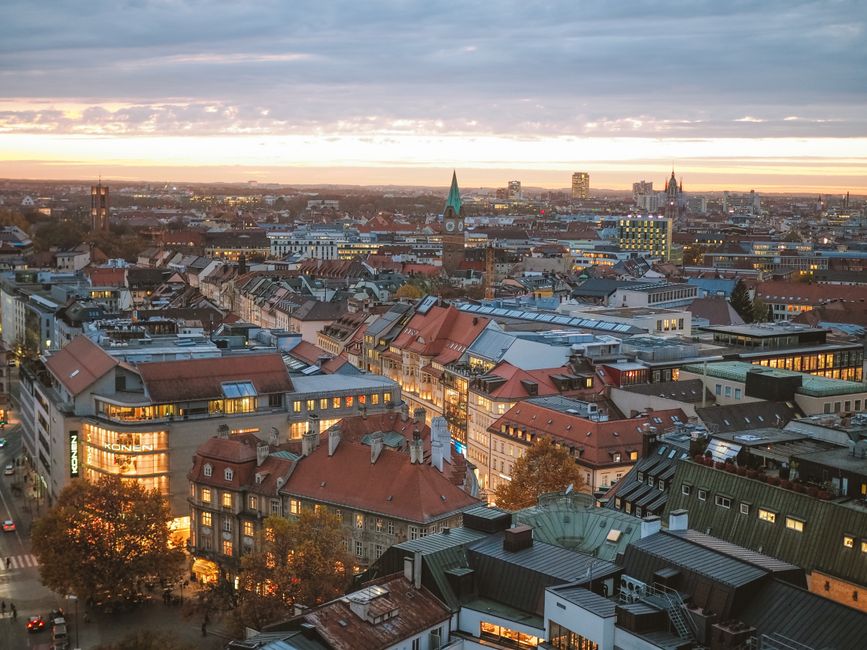
Munich locals grappling with anxiety are increasingly turning to exercise, with recent evidence showing a clear connection between regular physical activity and reduced stress levels in the city. From runners pounding trails by the Isar to yoga sessions at community centres in Maxvorstadt, more Munich residents are moving their way toward calmer minds.
Why mental health support is top of mind in Munich now
Demand for mental health resources has never been higher in the Bavarian capital. Klinik Menterschwaige in Harlaching reported a 20% rise in outpatient stress-related admissions over the past year. Psychologist Dr. Anna Leuthard, who runs a private practice near Sendlinger Tor, pointed to ongoing economic uncertainty, a spike in climate anxiety among younger Munich residents, and the ever-persistent pressures of urban life. "We are seeing more people presenting with anxiety, sleep problems and classic stress symptoms," Leuthard said during a recent community health webinar.
This spike in anxiety is coinciding with the city’s expansion of holistic wellness options. The city council is midway through a EUR 2 million update of outdoor exercise facilities in Westpark and Luitpoldpark, aiming to encourage residents to embrace movement not just for fitness, but for psychological balance too.
Munich’s active spaces: More than physical fitness
The linkage between movement and mental health is not just theoretical for those who take part in local programmes. For example, Flowing Yogis offers twice-weekly evening classes by the lake in Olympiapark. Organiser Miriam Zink says their "Anxiety to Zen" sessions routinely fill their 30-person limit, with students reporting a drop in anxiety scores during follow-up surveys. Meanwhile, at Fit im Park—Munich’s free, city-run outdoor fitness programme—yoga, Pilates and cardio bootcamps are scheduled across Gärtnerplatzviertel, Theresienwiese and Sendlinger Park. Regulars say the group setting helps build social support, itself a known buffer against stress.
Even solo activities are getting a boost. Bicycle shops near Ludwigsvorstadt, such as Radsalon Schickeria, saw a 15% jump in e-bike rentals last spring following a public health campaign highlighting cycling’s mental health benefits. "I see my commuting customers returning visibly more relaxed after a month or two," said one bike technician on Holzstraße.
The science: Numbers behind the movement
A recent study from LMU Munich’s Psychology Department, published in March 2026, followed 342 adults participating in regular moderate exercise along the Isar and in the Englischer Garten. After 12 weeks, participants averaged a 37% reduction in self-reported anxiety symptoms compared to non-exercisers in the control group (measured on the validated GAD-7 scale). The authors highlight regularity and enjoyment as key factors—those who chose activities they liked, whether jogging by the Friedensengel or dancing at Studio 5Rhythms, fared best.
The city’s subsidised Fit im Park sessions remain free through the summer, and Flowing Yogis' classes are EUR 6 per drop-in. These accessible prices reflect a broader push to eliminate cost as a barrier to stress-busting movement in Munich.
For now, experts say that integrating movement into daily routines—even something as simple as a brisk 30-minute walk along Leopoldstraße—can make a measurable difference. "Every session counts," one city health official told The Daily Munich. With summer in full swing, many in Munich are rediscovering what the city’s leafy parks and riverside paths have long offered: movement as medicine for the mind. The city’s official website offers more information on free classes and mental health resources at www.muenchen.de/fitimpark.