Wellness
Workplace Wellbeing in Munich: Know Your Rights and Local Resources
From legal protections to grassroots support, learn how Munich workers can safeguard their mental health and manage stress on the job.
3 min read
Updated 1 h ago
Wellness
From legal protections to grassroots support, learn how Munich workers can safeguard their mental health and manage stress on the job.
3 min read
Updated 1 h ago
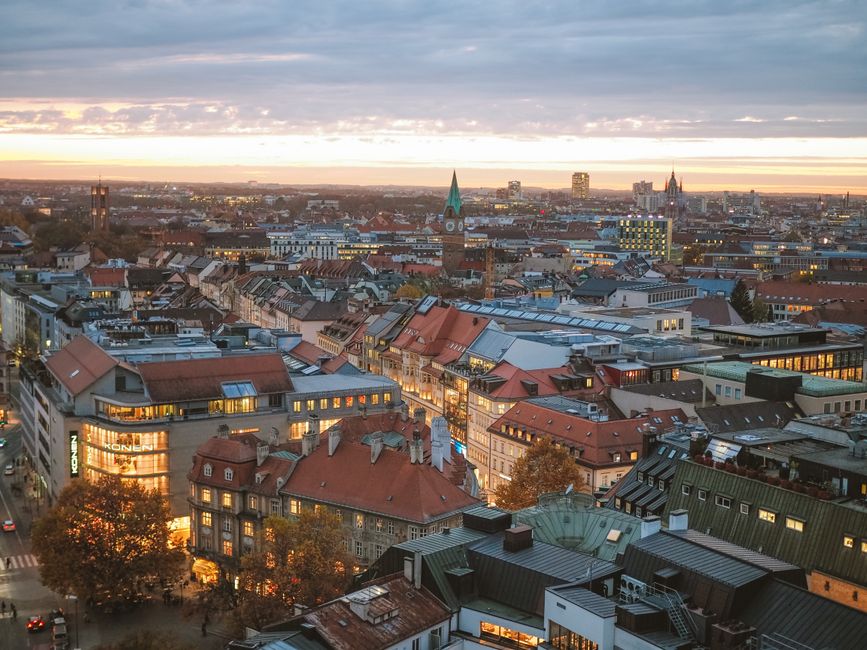
Stress levels among Munich’s workforce show no signs of easing, with a recent Barmer study reporting that over 32% of white-collar workers in Bavaria felt regular workplace stress in the past year. Yet many in the city’s booming tech sector and traditional industries remain unaware of their full rights and resources when it comes to mental health support on the job.
That matters more than ever this summer. Long hours, economic pressure, and climate-related anxieties are all taking their toll. Local HR consultants say requests for advice on mental health support in the workplace have surged since May, with several large DAX-listed employers based around Olympiapark pushing for more robust company wellness policies. In a city famed for its work ethic, ignoring workplace stress carries risks not only for individuals but for employers too: burnout contributed to 136,000 days lost among employees in Munich in 2025, according to the Federal Employment Agency’s regional office in Rosenheimer Platz.
Munich workers are not on their own. Under §84 of Germany’s Social Code IX, all employees experiencing health problems at work—including psychological strain—are entitled to workplace reintegration management, known locally as Betriebliches Eingliederungsmanagement (BEM). Large employers from BMW in Milbertshofen to web startups in Werksviertel-Mitte are legally required to offer BEM after six weeks of sickness absence, but HR professionals confirm many will start conversations much earlier if stress is reported.
Beyond legal mechanisms, practical help can be found locally. The city’s Beratungsstelle für Arbeitnehmer (Widenmayerstraße 34) offers confidential advice on employment law, stress management, and mediation between employees and HR. For English-speaking workers, the Munich International Women’s Club on Maximilianstraße hosts regular workshops on burnout prevention and coping strategies. Meanwhile, the MindSpace coworking hub in Viktualienmarkt has begun lunchtime mindfulness sessions, booking out rapidly at €10 per class.
The economic cost of worker sick leave attributed to psychological conditions reached €2.1 million per day in Upper Bavaria last year, according to the Bavarian Health Ministry. Munich saw sick leave for mental health double over the last decade, and surveys by Techniker Krankenkasse show nearly a third of city residents rate their workplace as ‘high pressure’. While statutory health insurance (gesetzliche Krankenkasse) covers access to psychotherapy, waiting times at city clinics like ISAR Klinikum regularly stretch to eight months. Some private therapy practices in Schwabing advertise faster access—sometimes in as little as two weeks—but with session prices often exceeding €110, they're out of reach for many.
Employers are beginning to fill this gap: Siemens’ offices in Moosach introduced an Employee Assistance Program this spring, offering up to five free counselling sessions annually to staff. Similar initiatives at the startup incubator Werk1 provide walk-in resilience coaching every Wednesday afternoon, aiming to destigmatise mental health care.
Mental health advocates urge workers to document symptoms, raise concerns at regular staff meetings, and—crucially—make use of medically certified rest periods (Krankschreibung) if needed. BEM conversations can be initiated directly with HR, not just by medical referral. For anyone in immediate distress, Krisendienst Psychiatrie (Nymphenburger Straße 82) operates a 24/7 hotline at 0180/655 3000.
Workplace wellbeing in Munich is finally getting the attention it deserves, but the systems are only as effective as the awareness of those who use them. The coming months will test whether the city’s culture of hard work will fully embrace the equally vital right to rest and recovery. As ever, consulting a local medical professional is the best step for anyone facing personal health concerns.

Wellness

Wellness

Wellness
Wellness
About this article
Published by The Daily Munich
Spread the word
Daily brief
Free, in your inbox before 7am. Weekdays.
The Daily Network — local news across Australia