The DAX jumped 4.49% to 25,779 on Friday, one of the sharpest single-session gains the index has recorded this year, as investors rotated aggressively into European equities amid improving sentiment over trade and monetary policy. The move was broad-based, sweeping up Munich-listed heavyweights in insurance, industrials and autos. For anyone holding a German equity pension fund or a Sparplan tracking the DAX, Friday was a very good day. The harder question is whether the rally has legs, or whether the contradictions buried in today's data will reassert themselves next week.
Gold tells part of that story. The precious metal climbed 4.10% to $4,187 per troy ounce, an extraordinary single-session move that sits in tension with the equity surge. When stocks and gold rise together at this pace, it usually signals that investors are not uniformly confident; some are buying equities on momentum while others are paying record prices for the oldest hedge in the financial system. Munich-based private banks and wealth managers who have been overweight gold since early this year will be sitting on substantial gains. Those who trimmed that position in Q2 to chase the equity rally are now watching both trades run against their rebalancing instincts.
The euro's move matters enormously for this city's industrial base. EUR/USD rose 0.47% to 1.1440, extending a run that has made life progressively more uncomfortable for every Munich manufacturer that invoices in dollars. BMW, which reports sales volumes in US dollar markets, and Siemens, which competes globally on infrastructure contracts priced in multiple currencies, both feel the squeeze when the euro firms. A rate above 1.14 is not catastrophic, but it erodes margins at the operating level, and if the European Central Bank holds rates while the Federal Reserve cuts further through the second half of 2026, the euro could press higher still. Corporate treasurers in Munich's Bogenhausen and Schwabing office districts will be reviewing their hedging books this weekend.
Oil's Drop and the Bitcoin Spike Complicate the Picture
WTI crude fell 2.78% to $68.78 per barrel, a move that cuts both ways for German industry. Lower energy costs ease pressure on manufacturers still absorbing elevated input prices from the post-2022 energy shock. Utilities and chemical producers benefit directly. But the slide also reflects softening demand expectations globally, which is a warning to Munich's export sector: if the world economy is slowing, order books will follow. The chemical and engineering supply chains that feed into Bavaria's industrial heartland do not adjust overnight, and procurement managers should be watching forward crude curves rather than celebrating at the pump.
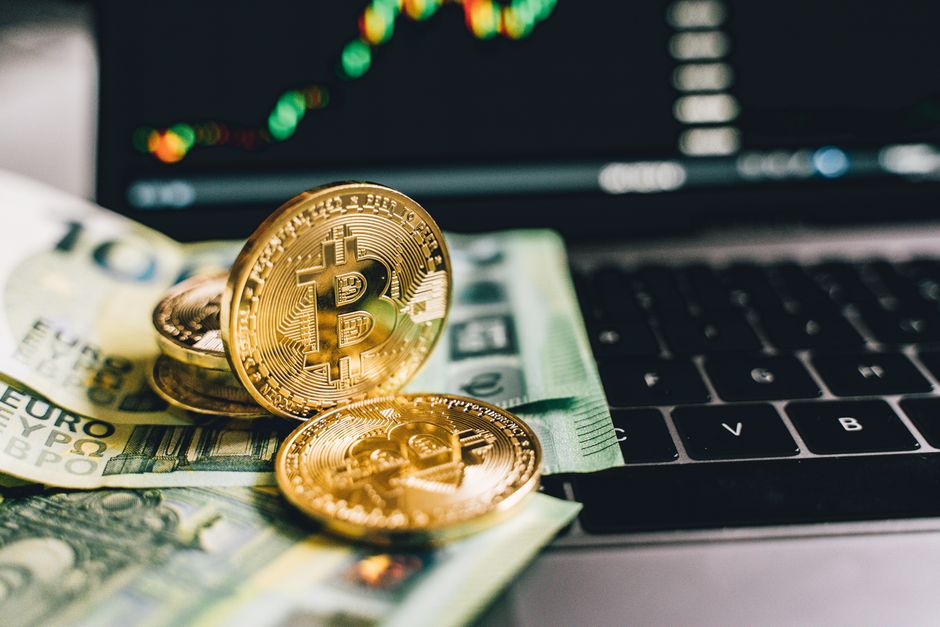
Bitcoin's 6.66% surge to $62,456 is a footnote for most Munich corporate finance departments, but it is not irrelevant. The cryptocurrency's sharp move higher on a day when gold also rallied signals a simultaneous flight toward alternative stores of value and speculative risk appetite. For German retail investors who have held Bitcoin through its protracted drawdown from 2025 highs, Friday offered partial relief. For institutional allocators in Munich, particularly the growing number of family offices that took small positions in digital assets over the past two years, the question is now whether $62,456 marks the beginning of a recovery or a tradeable bounce before further consolidation.
Across the Atlantic, the S&P 500 rose 1.71% to 7,483 and the Nasdaq Composite added 1.87% to 25,833, both closing at elevated levels as US markets observed a truncated session ahead of the Independence Day holiday. The American rally matters to DAX investors because Germany's export-oriented economy is directly leveraged to US consumer and corporate spending. Strong US equity markets tend to validate the earnings assumptions embedded in DAX valuations. If Wall Street begins to price in a softer US landing, that optimism translates into order flow for Munich-area machine-tool makers, automotive suppliers and software exporters within a quarter or two.
For Munich businesses planning the second half of 2026, three numbers from today deserve to be pinned to the wall: EUR/USD at 1.1440 (watch for further euro strength if ECB rhetoric stays hawkish), gold at $4,187 (a market telling you uncertainty has not gone away), and WTI at $68.78 (a genuine cost tailwind, but one that comes with a demand-side warning attached). The DAX's move is welcome. The mix of signals underneath it demands careful reading rather than uncritical celebration.