The DAX closed at 25,779 on Friday, up 4.49% on the session, its sharpest single-day advance in months and enough to sharpen the attention of every pension manager and private investor sitting in Bavaria. The move was not narrow. Financials, exporters and industrial names all participated, which is precisely the composition that matters most to Munich-based portfolios weighted toward Germany's export economy. The euro rose to 1.1440 against the dollar, a 0.47% gain that complicates the revenue picture for the DAX's multinationals but simultaneously signals renewed confidence in the eurozone's underlying economic footing.
Munich's two largest listed financial institutions, Allianz and Munich Re, sit at the core of the DAX's financial-sector weighting and both benefited from the day's momentum. Insurance heavyweights tend to lag in volatile, rate-uncertain environments; on a day like Friday, when sentiment shifted decisively toward risk assets, they attract inflows from institutional desks rebalancing into German equities. Germany's largest private lender, Deutsche Bank, headquartered in Frankfurt but closely watched along Maximilianstrasse, also moved higher as analysts noted that the interest-rate environment across the eurozone continues to favour net interest margin expansion at the major commercial banks.
Gold, Bitcoin and the Flight Into Hard Assets
Not every position in Munich's investment community is chasing equities. Gold hit $4,187 per troy ounce on Friday, a 4.10% single-session gain that is extraordinary by any historical standard and reflects a parallel anxiety running beneath the surface of the stock rally. Sophisticated investors are hedging. Family offices in Schwabing and Bogenhausen that have quietly accumulated physical gold through Munich-based custodians, including positions held at the Bayerische Landesbank's commodity desks, are sitting on substantial unrealised gains. At these price levels, conversations about trimming and rotating back into equities are live, though conviction on the gold trade remains strong given the geopolitical backdrop.
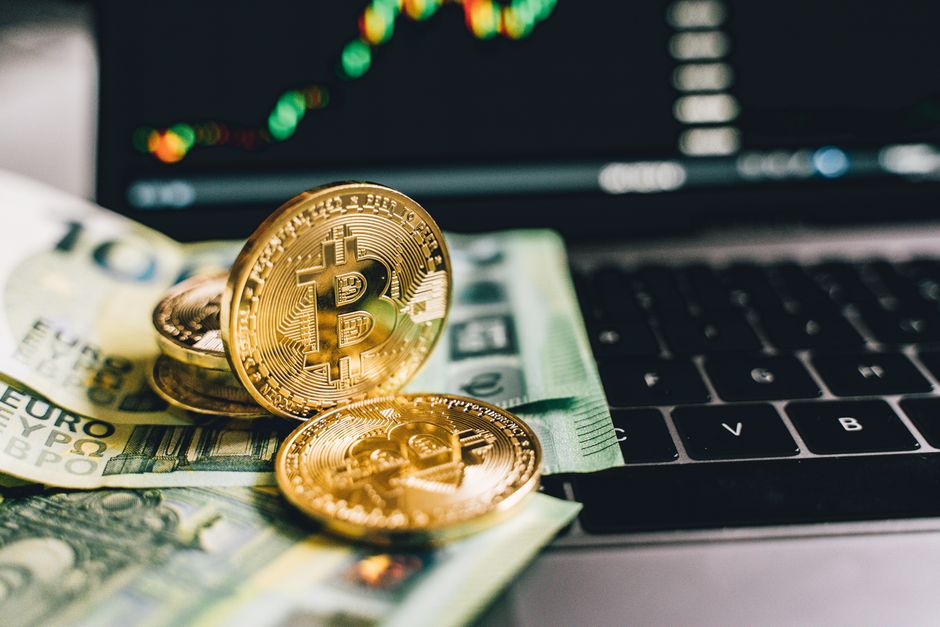
Bitcoin added 6.66% to reach $62,456, its largest single-day move in weeks. German retail participation in crypto remains meaningful; Germany was one of the first jurisdictions to grant regulated crypto custody licences to banks, and several Munich-based institutions now offer Bitcoin exposure through regulated wrappers. The coin's simultaneous rise alongside gold suggests investors are not treating the two assets as substitutes but are buying both as stores of value against currency debasement risk. With the euro at 1.1440, German holders of dollar-denominated Bitcoin saw their euro-denominated return clipped marginally by the currency move, but the underlying asset gain was large enough to dwarf that friction.
Crude oil told a different story entirely. WTI fell 2.78% to $68.78 per barrel, a move that carries real consequences for Munich's corporate sector. BASF, Covestro and the petrochemical supply chains feeding into Bavaria's automotive manufacturing cluster all face input costs tied to energy prices. Cheaper oil is a quiet tailwind for margin recovery across those businesses. BMW and Mercedes-Benz, both closely followed from Munich, operate manufacturing operations whose energy cost structures benefit directly when crude slides. The combination of a strong equity session and falling energy prices is, for German industrials, about as constructive a backdrop as the market can deliver.
Across the Atlantic, the S&P 500 climbed 1.71% to 7,483 and the Nasdaq Composite rose 1.87% to 25,833, confirming the rally had genuine global breadth rather than being a purely European story. For Munich fund managers running globally diversified mandates, the synchronised gains meant that almost every major line in a standard balanced portfolio moved in the right direction on the same day, a rare occurrence that typically triggers profit-taking discipline at institutional desks operating under strict drawdown and allocation rules.
The strategic question now is duration. A 4.49% single-day move in the DAX at an index level above 25,700 is the kind of session that compresses months of anticipated return into a single afternoon. Private investors who missed the open are weighing whether Friday's close is an entry point or a peak. The euro's strength at 1.1440 creates a genuine headwind for DAX earnings reported in foreign currency; every further cent of euro appreciation reduces the translated profits of Siemens, SAP and the auto majors when they report their next quarterly results. Munich's institutional community will be scrutinising forward guidance from those names carefully over coming weeks.
What Friday demonstrated is that German equities retain significant appeal to global capital when risk appetite opens up. The DAX's composition, heavy in global industrial leaders with strong balance sheets and reliable dividend histories, draws inflows quickly when sentiment turns. For Munich investors, that structural characteristic is both the opportunity and the risk. The gains on Friday were real. So is the concentration.