The DAX closed Friday at 25,779, up 4.49 percent on the session, its sharpest single-day gain in months. For anyone in Munich with a workplace pension tied to a German equity fund, a brokerage account holding DAX-listed industrials, or even a simple ETF tracking the index, that is a meaningful move. But the same session that produced euphoria in Frankfurt's equity pits also saw gold jump 4.10 percent to $4,187 per troy ounce, WTI crude oil fall 2.78 percent to $68.78 a barrel, and Bitcoin surge 6.66 percent to $62,456. That combination, equities and safe-haven assets rising simultaneously while oil drops, rarely tells a simple story, and Munich residents sorting through their finances deserve a clearer read than most headlines are offering.
Start with the DAX move itself. Germany's benchmark is dominated by export-heavy manufacturers and automotive groups, companies like BMW, Siemens and BASF that live and die by global demand. A 4.49 percent gain in a single session suggests traders are repricing risk sharply upward, likely responding to signals from Washington around trade policy and the broader US market tone. The S&P 500 rose 1.71 percent to 7,483, and the Nasdaq Composite gained 1.87 percent to 25,833. Strong US data typically lifts German exporters because American consumers and corporations buy German goods. If you hold a broadly diversified pension fund through your employer under Germany's betriebliche Altersvorsorge scheme, Friday's session will have done your year-to-date balance a noticeable favour.
The Euro's Quiet Pressure on Exporters and Your Purchasing Power
The euro rose 0.47 percent against the dollar to $1.1440, and that deserves attention. A stronger euro is a double-edged outcome for Munich households. On the positive side, it cheapens imports, meaning energy, electronics and anything priced in dollars costs less in euros at the retail level. Petrol prices at stations along the A9 and A94 may ease modestly in coming weeks if this exchange rate holds, compounding the effect of crude oil's drop to $68.78. For families planning a summer trip outside the eurozone, the stronger euro also buys more.
For the industrial base that employs a significant slice of Munich's workforce, however, the picture is less comfortable. BMW's Werk München on Lerchenauer Strasse, one of the company's most iconic production facilities, prices its vehicles in euros but competes in markets where customers earn dollars, pounds and yuan. Every cent the euro gains against those currencies squeezes the margin on vehicles sold abroad or forces price increases that risk losing market share. BMW and its Munich neighbours do hedge their currency exposure, but sustained euro strength, if $1.1440 is not a peak but a floor, eventually feeds through to earnings guidance and, in turn, to DAX valuations.
Gold's surge to $4,187 is the session's most striking data point for cautious savers. Institutional money does not pile into gold at this pace purely because conditions are rosy. Gold rises when investors are paying for insurance against scenarios they would rather not name publicly: currency debasement, geopolitical escalation, or doubts about central bank policy credibility. The European Central Bank in Frankfurt has held rates at levels designed to keep inflation near its 2 percent target, but households watching gold jump this sharply should not interpret the equity rally as a signal that all uncertainty has been resolved. The two moves are happening together precisely because different pools of money are hedging different outcomes simultaneously.
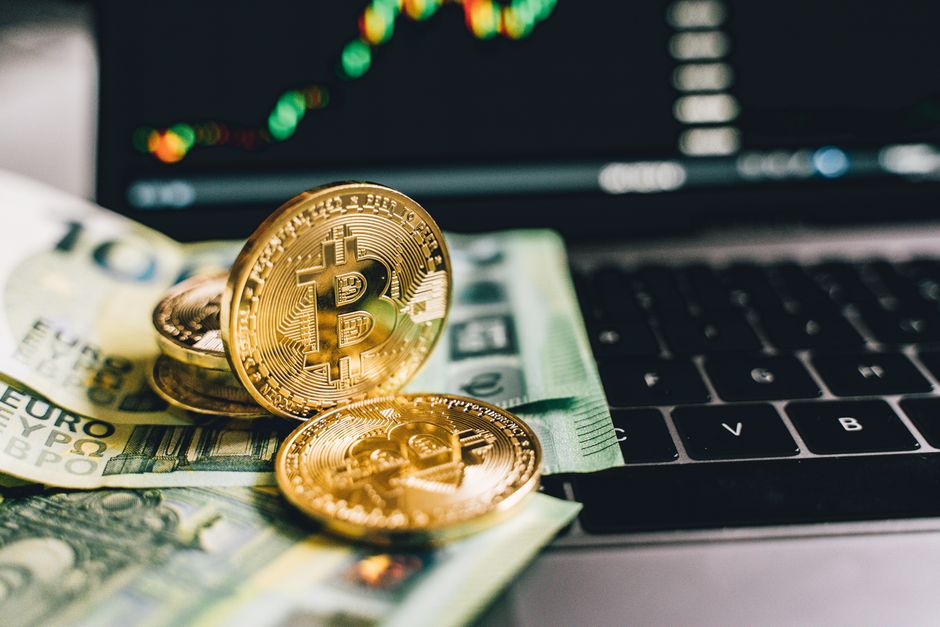
Bitcoin's 6.66 percent jump to $62,456 falls into a similar category. The cryptocurrency has increasingly traded as a high-beta risk asset, surging when liquidity and risk appetite improve, cratering when they evaporate. For Munich residents who hold bitcoin in a private wallet or through one of the regulated crypto platforms licensed under Germany's Banking Act, Friday's move is gratifying. But bitcoin's correlation with the Nasdaq means it tends to amplify whatever direction equities take, and a 6.66 percent up-day has historically been followed, in this asset class, by periods of sharp reversal.
The practical checklist for a Munich household on this Friday evening: check whether your pension fund's equity allocation has become overweight relative to your risk tolerance after a rally of this size, since some rebalancing toward bonds or cash may be appropriate. Consider whether variable-rate mortgage costs, tied to Euribor benchmarks that the ECB influences, are likely to shift given the mixed signals coming from commodity and equity markets. And treat the oil price decline as a modest near-term tailwind on energy bills, not a structural shift. At $68.78 a barrel, WTI is well below the levels that alarmed consumers a few years ago, but Germany's energy market is influenced by Brent crude, European gas prices and domestic policy, not the US benchmark alone. Today was a strong session. Strong sessions are worth enjoying. They are not worth extrapolating.