Property
Haidhausen Tops Munich List for Highest Rental Yield Among Suburbs
With gross yields above 4.1%, Haidhausen is luring property investors eager for returns as Munich’s market tightens.
3 min read
Property
With gross yields above 4.1%, Haidhausen is luring property investors eager for returns as Munich’s market tightens.
3 min read
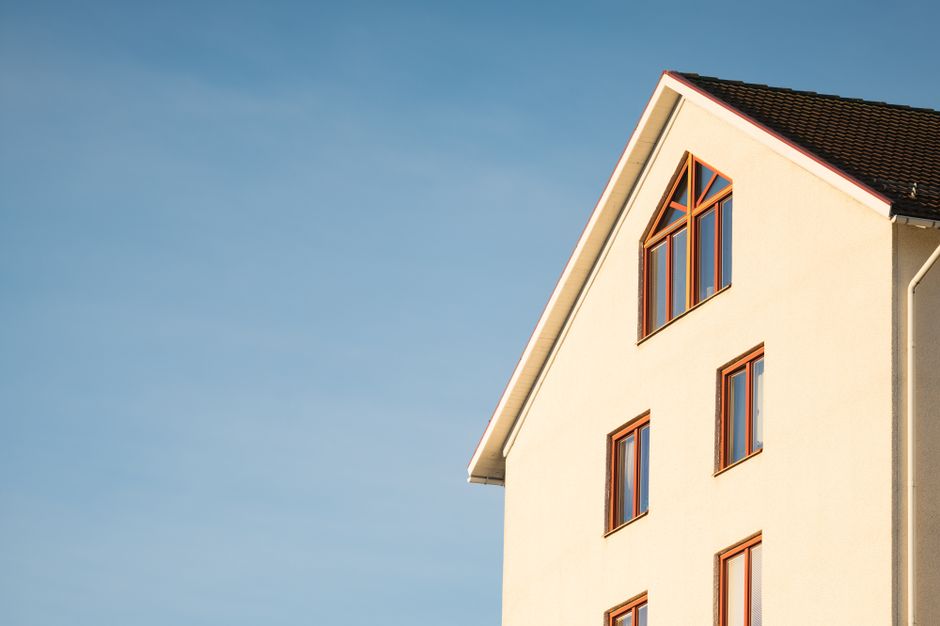
Munich’s Haidhausen district has overtaken student-packed Schwabing as the capital’s leading suburb for rental yields, according to new data from the Munich Investors Forum, with average gross yields reaching 4.14% in Q2 2026. For buy-to-let investors, that marks the best return on investment within the city’s urban fringe, outpacing more traditionally sought-after neighbourhoods farther west.
This trend arrives as shrinking housing availability and a surge in demand for mid-sized city apartments recalibrates investor appetites. Over the past twelve months, Munich’s rental market has grown tighter thanks to a combination of inward migration, increased energy costs and the steady advance of hybrid working patterns. As new arrivals and locals alike scramble for space, the calculus of investing in city suburbs has shifted. Gross yields over 4% are now considered a rare prize in a market where many family flats in quieter Laim have dropped below 3.2%.
Haidhausen, nestled east of the Isar and known for its leafy streets and proximity to Gasteig and Wiener Platz, is busy shedding its former image as merely a "bohemian village". According to local property analysts at Engel & Völkers, two-bedroom flats on Pariser Straße now command average monthly rents of €2,250—up 7% from last summer. The suburb straddles vital transport links: Rosenheimer Platz S-Bahn hub feeds directly into Marienplatz in six minutes, attracting commuters and students alike, while the semi-industrial feel of nearby Werksviertel adds creative energy and new-build supply.
Munich’s Office for Urban Development (Planungsreferat) mapped 480 new residential completions in Haidhausen since January 2025, helped by incentives for developers converting disused commercial blocks into micro-apartments. The neighbourhood’s blend of mature Altbauten and newly finished units keeps it broadly appealing, while the influx of work-from-anywhere renters has heightened demand for furnished leases, especially along Orleansstraße and Weißenburger Platz.
Munich Investors Forum data, released 1 July, pegged Haidhausen’s gross rental yield at an average of 4.14%—measured as the annual rental income divided by property value—edging out Sendling (3.93%) and Schwabing (3.77%). The median purchase price for a two-bed apartment in Haidhausen was €668,000 as of June. That compares with €720,000 in leafy Bogenhausen, where rents have stagnated. Some prime blocks near the Maximilianeum reach higher yields for short-term lets, but with city authorities tightening Airbnb rules, sustainable returns now depend more on conventional tenancies. Vacancy rates remain low: the June vacancy survey from Mieterverein München recorded just 23 listings in the entire suburb.
While suburban prices in Obersendling and Aubing remain lower, yields have been eroded by slower rental growth. Investors are now targeting Haidhausen’s mix of established demand and manageable entry prices, especially with new rail connections set to ease access from Munich East to the airport by 2027.
For those eyeing a potential purchase this summer, experts flag competition from German institutional buyers and family investors, but encourage private landlords to focus their search within a 500-metre radius of key transport nodes like Ostbahnhof and Rosenheimer Platz. Prospective landlords should pay close attention to new local regulation: as of April, stricter energy standards for apartments built before 1995 could trim net yields unless buyers factor in modernisation costs. The next quarterly figures from the city are due in September—but in the meantime, Haidhausen’s blend of urban lifestyle, high demand and yield resilience is setting the pace for Munich’s property investors.
Property
Property

Property
Property
About this article
Published by The Daily Munich
Spread the word
Daily brief
Free, in your inbox before 7am. Weekdays.
The Daily Network — local news across Australia