Property
Munich’s New Land Release: Who Qualifies and How to Apply
City officials open up prime parcels in Freiham and Trudering for housing and innovation hubs. Here’s how residents and investors can stake their claim.
3 min read
Property
City officials open up prime parcels in Freiham and Trudering for housing and innovation hubs. Here’s how residents and investors can stake their claim.
3 min read
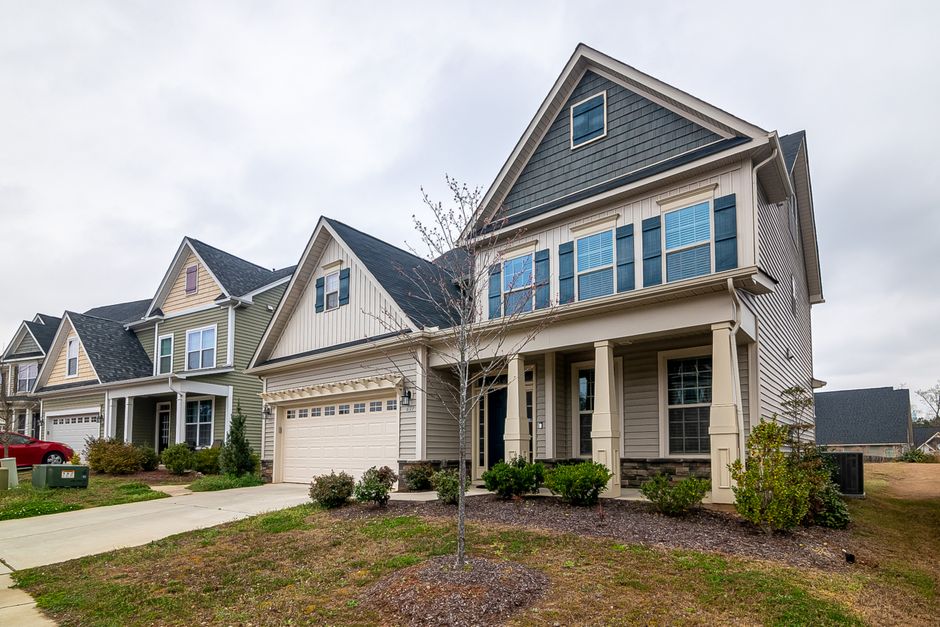
Munich’s city council approved the release of 22 hectares of municipal land in Freiham and Trudering late Friday, targeting long-stalled demand for affordable homes and workspace. The sites, long controlled by the city’s Department of Urban Development, will enter an allocation process starting 1 August 2026, officials confirmed.
Pressure is acute. Munich’s population surpassed 1.6 million last year, according to Statistisches Amt München, with rents in districts like Schwabing-West and Giesing climbing 11% alone since 2024. As heatwaves and economic uncertainty grip much of Europe, local authorities say unlocking fresh land for housing is critical to retain talent and keep prices from spiraling.
The first tranche focuses on two zones: a 14-hectare pocket at the southwestern edge of Freiham, close to the S8 commuter rail stop, and an 8-hectare strip between Kreillerstrasse and Hofangerpark in Trudering. Both sites are earmarked primarily for mixed residential and social housing, with up to 40% reserved for subsidised rents under the Munich Model Plus scheme. City partner GEWOFAG will oversee apartment construction, while a separate allotment will be set aside for non-profit cultural and tech incubator spaces, responding to lobbying from organisations like UnternehmerTUM at Garching campus.
To qualify for a residential allocation, applicants must live or work in Munich, lack property in the city, and provide evidence of income beneath the 2026 thresholds: for single earners €38,400 gross per year, for couples €67,500. Priority will be given to families, essential workers (health, social services, education), and those with disabilities. For innovation hub units, eligible applicants include start-ups and registered non-profits with Munich roots, capped at 30 employees and evidence of operational need.
Munich issued over 15,200 land-use certificates in 2025, but supply failed to bridge demand. The Freiham parcel alone is projected to deliver nearly 800 apartments by 2028, city planners said—still a fraction of the roughly 10,000 new homes the city estimates are needed each year to stabilise the metro’s scorching rental market, where median rents reached €21.30 per square metre this quarter. The city has also pledged at least 20 innovation hub leases in this round, aiming to stem the exodus of young start-ups to Berlin or Amsterdam.
Applications for both residential and workspace parcels will open on 1 August via the Stadt München Landvergabe portal and at regional offices in Pasing, Berg am Laim, and Riem. The allocation process will run through 13 September, with final decisions notified by late October. The city will hold a public information session at the Kulturzentrum Trudering on 16 July, and independent housing advisers from Münchner Mieterverein are offering drop-in clinics every Tuesday.
For those eligible, city officials stress that demand will again outstrip supply. But with unprecedented pressure on Munich’s housing market—and a new, more transparent selection process—competition is expected to be fierce. Applicants are advised to assemble documents and evidence early, and consult city-run workshops to maximise their chances in this high-stakes round.
Property
Property
Property
Property
About this article
Published by The Daily Munich
Spread the word
Daily brief
Free, in your inbox before 7am. Weekdays.
The Daily Network — local news across Australia