Property
Nymphenburg: Munich’s Blue-Chip Suburb Where Value Still Lingers
Despite soaring prices across Munich, Nymphenburg’s historic charm and transport links keep it a haven for canny investors.
3 min read
Property
Despite soaring prices across Munich, Nymphenburg’s historic charm and transport links keep it a haven for canny investors.
3 min read
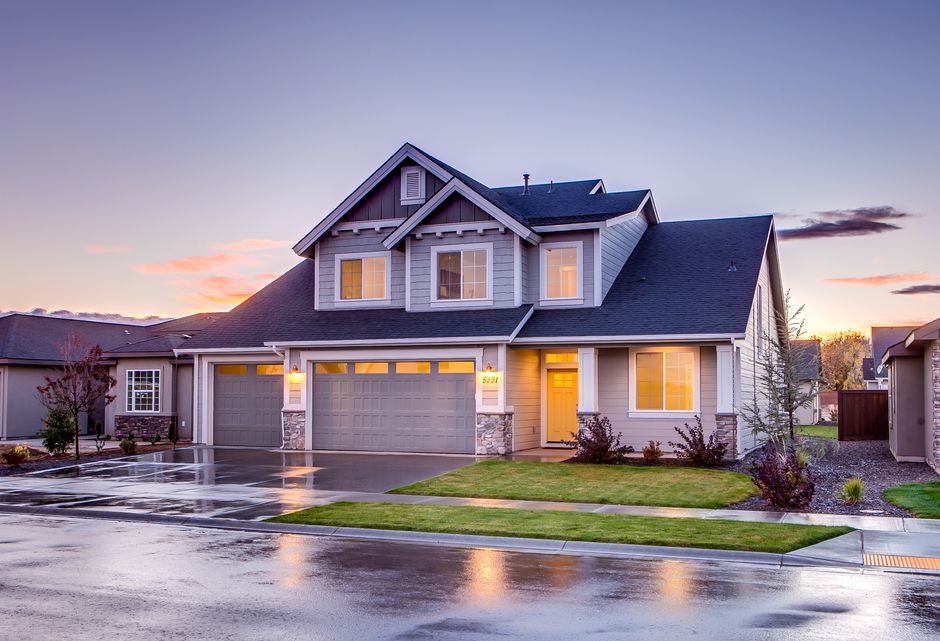
Nymphenburg might be tipped as one of Munich’s most prestigious neighbourhoods, but a closer look reveals it’s still possible to find solid value below the city’s scorching price ceiling.
With Munich’s housing market riding a years-long crest—pushed up by demand that shows no sign of easing—finding a blue-chip address that doesn’t require billionaire credentials is getting tougher by the month. As climate and security anxieties send more investors toward stable German property, western suburbs like Nymphenburg are attracting renewed scrutiny from buyers priced out of Altstadt-Lehel or Beethovenplatz.
At first glance, Nymphenburg is all about grandeur. The 18th-century Schloss Nymphenburg dominates the suburb’s leafy centre, with its baroque pavilions and 200 hectares of parkland. Yet this district offers far more than imperial glitz. Hirschgarten, famous for its 8,000-seat beer garden on Arnulfstraße, draws locals as much as tourists in summer heatwaves. Transport is another selling point: the S1 and S8 lines from Laim station shuttle commuters to Marienplatz in less than fifteen minutes, a rare feat in Munich’s urban jigsaw.
Nymphenburg’s proximity to the Technical University’s Botanic Garden and the Munich University of Applied Sciences attracts both academics and families. Local schools like Maria-Ward-Gymnasium (near Agnes-Bernauer-Straße) routinely perform at the top quartile in city rankings. Supermarkets, family-run bakeries, and weekly markets on Romanplatz maintain its everyday appeal.
Property prices in Nymphenburg have surged in line with Munich’s 8.7% year-on-year increase (according to the June 2026 Engel & Völkers quarterly report). Yet the district’s median price for a renovated three-bedroom apartment stands at €11,400 per square metre—roughly 8% below the €12,400 city-centre average published in the same report. Investors have also noted steadier rental yields, with professionally managed flats on Wotanstraße leasing at over €28 per square metre monthly, compared to the €31 central core average. New-build townhouses on Marsstraße fetched between €1.7 and €2 million this spring, with private sales of older apartments occasionally landing below €950,000 if buyers are quick.
Wider European instability and the current squeeze on credit have influenced international buyers, with local agents reporting a notable uptick from Swiss and Benelux investors in recent months. The district’s insulation from heavy summer flooding—a consequence of its elevated, non-riverine topography—has become a new talking point amid climate worries.
For would-be buyers with their sights on Nymphenburg, the advice is simple: act decisively, but don’t ignore due diligence. Competitive bidding is common on sought-after streets like Südliche Auffahrtsallee, but off-market deals still emerge, especially with local notaries and smaller agencies. Look for properties with energy renovations or bundled parking—a growing demand among Munich families wary of city-centre congestion charges. And as the next tranche of municipal infrastructure upgrades enters planning this autumn, observers expect steady, not frenzied, growth to continue. For now, Nymphenburg’s blend of heritage and liveability means its reputation as a value-hold among Munich's blue chips is firmly intact.
Property
Property

Property
Property
About this article
Published by The Daily Munich
Spread the word
Daily brief
Free, in your inbox before 7am. Weekdays.
The Daily Network — local news across Australia