The numbers on Friday told an unambiguous story. The S&P 500 rose 1.71% to 7,483 and the Nasdaq Composite added 1.87% to close at 25,833, extending a run that has pushed American equities to levels few analysts predicted even six months ago. By mid-session in Frankfurt, the DAX had absorbed that momentum and amplified it, jumping 4.49% to 25,779. For anyone holding a Riester-Rente pension plan, a Deka fund or a DWS equity product with meaningful US exposure, Friday was a very good day on paper.
The transmission mechanism between Wall Street and Munich portfolios has become almost mechanical. Large German institutional funds, including those run by Allianz Global Investors and Union Investment, typically allocate between 30% and 50% of their global equity sleeves to North American equities. When the S&P 500 moves sharply, the effect shows up within hours in the net asset values of retail products sold at Bayern branches of Commerzbank and Deutsche Bank. Friday's move was large enough to matter.
But the euro complicated things. The single currency rose 0.47% against the dollar to 1.1440, which means a Munich-based investor holding unhedged US equities captured less of the Wall Street gain in euro terms than the headline index move suggests. A 1.71% gain in dollars shrinks once you account for the currency drag. Portfolio managers at Munich-based firms who run currency-hedged share classes will have fared better on the day; those in unhedged funds will be checking their currency overlay strategies this weekend.
Gold and Oil Send Conflicting Signals
Beyond the equity fireworks, two commodity moves deserve close attention from German investors. Gold surged 4.10% to $4,187 per troy ounce, a striking single-session move that suggests a segment of the market is not entirely convinced the risk rally is built on solid ground. Gold at that level, combined with a strengthening euro, is historically associated with capital seeking shelter from either dollar weakness, geopolitical risk or both. The Euwax Gold II exchange-traded commodity listed on the Stuttgart exchange, one of the more popular physical gold instruments among German retail investors, will have tracked that move closely.
Oil told the opposite story. WTI crude fell 2.78% to $68.78 per barrel. For Munich's export economy, that is broadly welcome news: lower energy input costs ease pressure on manufacturers in the automotive and industrial supply chain. Companies such as BMW and Siemens Energy, both DAX constituents, benefit when feedstock and logistics costs moderate. The pain falls elsewhere, specifically on the energy sector and on inflation expectations, which could influence European Central Bank thinking heading into its September meeting.
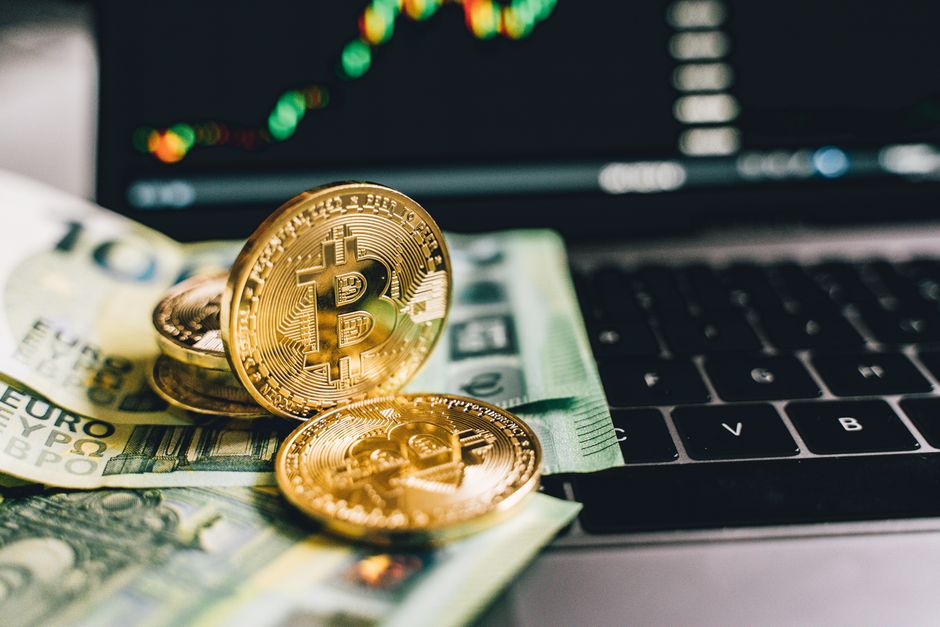
Bitcoin's 6.66% jump to $62,456 will register with a younger cohort of Munich savers who entered the asset class during the 2023-2024 enthusiasm and have sat through a prolonged period of consolidation. The move is notable but, for most German institutional portfolios, crypto remains too small a position to shift aggregate returns meaningfully. What it does reflect is a broader risk-on posture across asset classes on Friday, one that reinforced the equity rally rather than contradicting it.
The practical question for Munich readers is what this week's moves mean for their own financial positions. Pension statements for Q2 are beginning to land and the DAX's July performance, if it holds, will show up positively in the equity portion of balanced portfolios. Fixed-income holdings are a different matter. German Bund yields have crept higher over recent weeks as the ECB signals patience on further rate cuts, and that drags on the bond sleeve of many conservative pension products aimed at older savers.
The week ahead will test whether Friday's exuberance has legs. US economic data due in the coming sessions, particularly any update on labour market conditions, will set the tone for the next leg of the S&P 500 move. If Wall Street consolidates or retreats, Frankfurt will feel it by the following morning. The DAX's 4.49% single-session jump is impressive, but it also leaves the index exposed to a sharp reversal should sentiment in New York shift. Munich investors learned that lesson sharply in early 2025 and most seasoned fund managers here will be watching the next tick out of New York with more caution than Friday's closing bell might suggest.