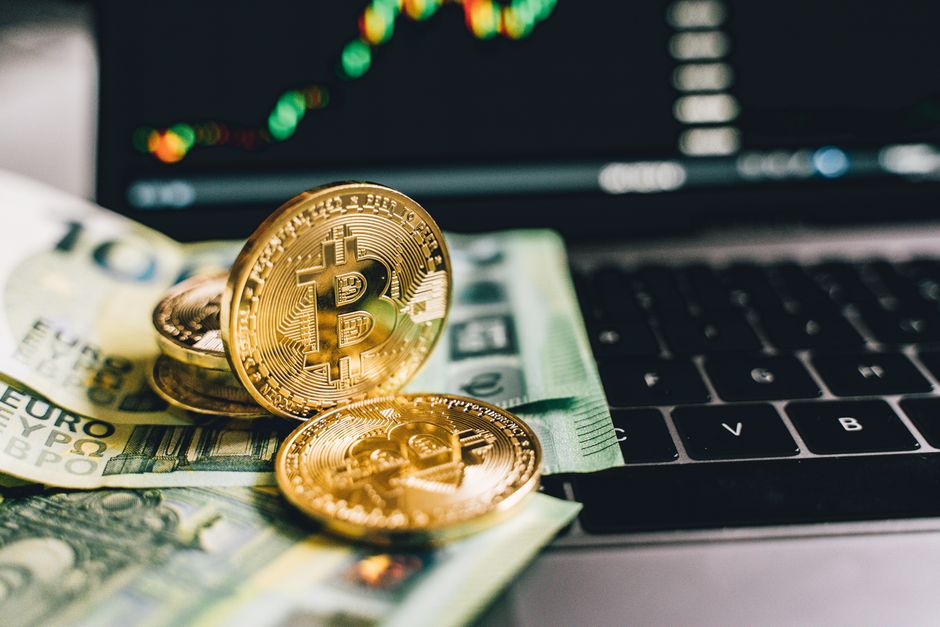
Gold hit $4,187 per troy ounce on Friday, a 4.1% single-session gain that puts the metal on course for one of its strongest weekly performances of the year. That move did not happen in isolation. Bitcoin climbed 6.66% to $62,456. The DAX surged 4.49% to 25,779. The euro strengthened to $1.1440 against the dollar. Taken together, these are not the numbers of a market calmly digesting good news; they are the numbers of a market repositioning hard and fast, and the critical-minerals complex sits at the centre of the story Munich investors should be reading most carefully.
The gold print matters beyond the bullion trade itself. At $4,187, the metal is functioning as a proxy for a broader thesis: that the raw materials underpinning both the energy transition and traditional safe-haven demand are being structurally undervalued by equity markets. Lithium, cobalt, nickel and rare-earth elements share that thesis, even if their price charts have spent much of 2025 and the first half of 2026 telling a more painful story of oversupply and demand disappointment. The question for investors now is whether gold's breakout signals a turning point for the wider critical-minerals complex, or whether bullion is simply riding its own wave.
The Lithium Disconnect and What It Means for German Industry
Lithium prices have not participated in Friday's commodity euphoria. The metal, which is critical to the battery supply chains feeding BMW's Neue Klasse electric-vehicle programme and Volkswagen's beleaguered EV ramp, slipped further in spot markets this week on continued concern about Chinese spodumene stockpiles and softer-than-expected cell demand out of Europe. That divergence between gold and lithium is the core tension for Munich-based investors with exposure to the DAX's large auto and industrials constituents.
BMW and Mercedes-Benz, both DAX members, have publicly committed to locking in long-term lithium and rare-earth supply contracts through bilateral agreements with producers in Chile, Argentina and parts of Central Asia. Those deals were structured at prices well above current spot levels. In a falling-lithium-price environment, the contracts can look like overpayment in the short run; in a supply-squeeze environment, they look prescient. The market is not yet sure which scenario is coming, and that uncertainty is priced into the auto sector's persistent discount to the broader DAX multiple.
The euro's move to $1.1440 adds another layer. A stronger euro compresses the euro-denominated revenue that German industrials earn on dollar-priced commodity contracts, but it also reduces the import cost of raw materials invoiced in dollars. For companies like BASF, which sources lithium compounds and rare-earth precursors globally, a firmer euro is a modest cost tailwind at a time when margin pressure from the energy-intensive chemicals business remains acute. BASF's Ludwigshafen complex, the largest integrated chemical site in the world, consumes enormous quantities of energy and feedstock; any relief on input costs matters.
WTI crude fell 2.78% to $68.78 per barrel on Friday, which compounds that tailwind. Lower oil reduces energy costs for German manufacturing broadly and eases inflationary pressure on logistics chains that carry lithium and cobalt from mine to cathode plant. The combination of a weaker dollar, cheaper oil and a still-elevated gold price is historically associated with commodity-cycle inflection points, though the lithium-specific fundamentals remain stubbornly oversupplied in the near term.
For Munich retail investors and pension savers with exposure to DAX-tracking funds or German auto equity, the practical implication is this: the companies they own are building large, expensive bets on critical-mineral supply security. Those bets will look either visionary or wasteful depending on whether EV demand in Europe recovers faster than the market currently expects. The EU's target of ending internal-combustion-engine car sales by 2035 has not moved; what has moved is the pace of consumer uptake and the willingness of European governments to extend purchase subsidies. Germany's federal budget for 2026, which did not restore the EV purchase premium that lapsed in late 2023, remains a drag on that demand calculus.
The broader signal from Friday's session is that global capital is searching for stores of value and real-asset exposure with urgency. Gold at $4,187 is the loudest expression of that search. Critical minerals are the harder, longer, more operationally complex version of the same idea. For patient German investors who understand that BMW, Volkswagen and BASF are, among other things, large implicit bets on the critical-minerals supply chain resolving in their favour, Friday's session offered a reminder of why that supply chain matters, even on a day when lithium itself did not cooperate.