The DAX closed Friday at 25,779, up 4.49% on the session, its sharpest single-day gain in months. Munich households with equity exposure through their Riester or Betriebsrente pension plans felt that directly: a 4.49% daily swing on Germany's benchmark index moves the needle on any portfolio with meaningful domestic equity allocation. Pair that with the euro strengthening to 1.1440 against the dollar, and the picture for German savers is genuinely complex. Stronger currency cuts both ways.
Gold printed at $4,187 per troy ounce, a 4.10% jump in one session. That is not a rounding error. Gold at that level reflects persistent institutional anxiety about the durability of the equity rally, even as stocks roared. Investors buying BMW, Siemens Energy or SAP shares on a day like this are also, apparently, buying insurance in the form of bullion. Munich-based wealth managers have spent much of 2026 telling clients that the two positions are not contradictory, and today's price action supports that view.
Oil is the number that matters most for household budgets. WTI crude fell 2.78% to $68.78 per barrel. For Munich drivers, that feeds into the petrol station forecourt with a lag of roughly two to four weeks, depending on refinery and distribution margins. Heating oil contracts, which still matter in older Bavarian residential stock, track the same crude benchmarks. A sustained move below $70 per barrel, if it holds through July, should begin showing up in Q3 energy bills. That is real money for families facing annual utility reviews under variable-rate contracts.
Mortgages, Savings Rates and What the ECB Backdrop Means Now
The euro at 1.1440 compresses the import cost of dollar-denominated goods, which is mildly disinflationary at the margin. For the European Central Bank, watching Frankfurt from its headquarters on Sonnemannstrasse, a firmer euro provides modest cover to hold rates steady or ease further without stoking imported inflation. Munich property buyers sitting on variable-rate Baufinanzierung loans should watch ECB communication in July closely. Any signal of a further rate adjustment before year-end would shift the mortgage calculus significantly for those renewing fixed terms in the autumn.
Savings rates at German retail banks remain the frustrating side of this story. Despite the ECB's policy trajectory, Tagesgeldkonten at most major institutions, including Deutsche Bank and Commerzbank branches across Munich, have not kept pace with headline returns available in money market instruments or short-dated Bundesanleihen. A household sitting on 50,000 euros in a standard savings account earning under 2% annually is effectively losing ground against a gold price that just printed above $4,100 for the second time this year. That gap is worth addressing before the summer holiday season drains attention from financial housekeeping.
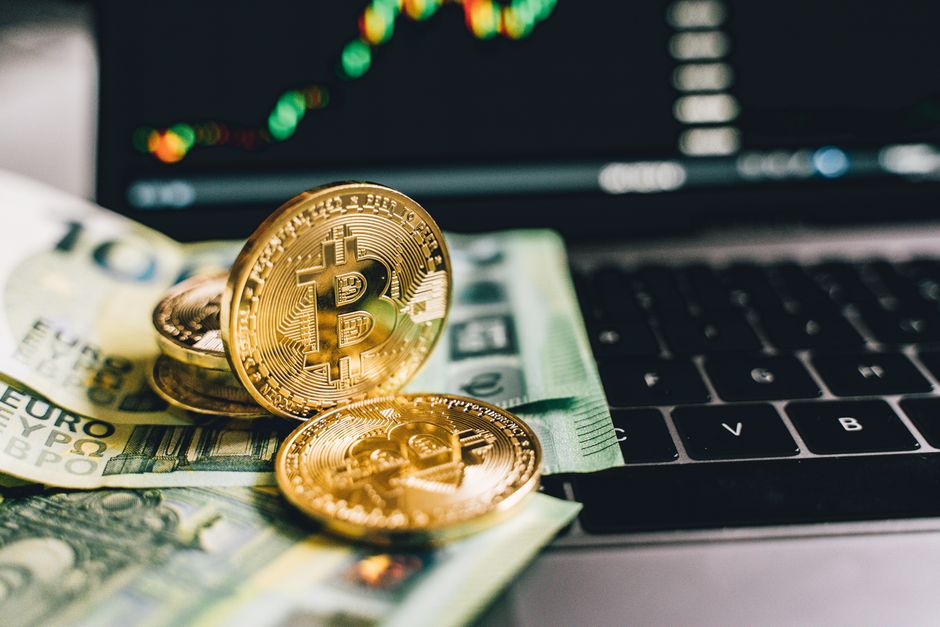
Bitcoin's 6.66% jump to $62,456 will attract attention, though it belongs in a specific box in any Munich household's financial plan. The move likely reflects a combination of risk appetite on a strong equities day and continuing institutional accumulation via regulated vehicles. For most retail investors in Bavaria, crypto should represent no more than a single-digit percentage of investable assets, and position sizing matters more than entry timing. The volatility profile remains extreme; a 6.66% daily gain is matched historically by equivalent daily losses.
The S&P 500 at 7,483, up 1.71%, and the Nasdaq at 25,833, up 1.87%, matter to Munich investors because global equity funds, including popular ETFs tracking MSCI World indices, carry heavy US technology weighting. Families using low-cost index products through platforms like Scalable Capital or Trade Republic have significant indirect exposure to American mega-cap technology. The euro's 0.47% appreciation against the dollar partially offsets those gains when translated back to euros, a mechanical effect that often surprises retail investors reviewing their quarterly statements. Currency-hedged share classes are worth considering for larger positions, particularly given the EUR/USD move seen this year.
The practical checklist for Munich households this July: review pension allocations given the DAX's new high-water mark; check whether your energy supplier contract allows you to benefit from lower crude prices in the next billing cycle; confirm that your savings rate is competitive against current Bundesanleihe yields; and if you are renewing a mortgage in the next six months, model scenarios for both a rate hold and a modest ECB cut. The global asset markets delivered an unusually loud signal on 4 July 2026. Reading it correctly is the first step toward acting on it.